Should I Learn Manual or Automatic? A Comprehensive Guide (02/08/2026)
Navigating the world of transmissions can be tricky! This guide explores the pros and cons of both manual and automatic, considering US market trends and future predictions.
For decades, the choice between manual and automatic transmissions was a straightforward one, largely dictated by driver preference and vehicle type. However, the automotive landscape is undergoing a significant shift. While automatic transmissions overwhelmingly dominate the US market – with roughly 82% of drivers opting for them – the narrative isn’t static. Globally, manual transmissions remain prevalent, but even there, their share is diminishing.
This change is fueled by advancements in automatic transmission technology, offering smoother shifts and improved fuel efficiency. Simultaneously, the rise of hybrid and electric vehicles (EVs), often exclusively equipped with automatic transmissions, further accelerates this trend. Understanding this evolving dynamic is crucial for anyone considering learning to drive or purchasing a new vehicle today.
The Prevalence of Automatic Transmissions in the US
The United States stands as an outlier in the global automotive world regarding transmission preference. Unlike many countries where manual transmissions are commonplace, automatics overwhelmingly dominate the US market. Currently, approximately 82% of American drivers choose vehicles equipped with automatic transmissions, a figure significantly lower than anywhere else on Earth. This historical preference stems from a combination of factors, including convenience, ease of use, and cultural acceptance.
This dominance has led to a decline in the availability of manual transmission options in new vehicles, particularly in popular segments. Fewer drivers learning to operate a manual gearbox perpetuates this cycle, creating a self-reinforcing trend.
Understanding Automatic Transmissions: How They Work
Automatic transmissions utilize a complex system of planetary gearsets, hydraulic pumps, and a torque converter to seamlessly shift gears without direct driver input. The torque converter, filled with transmission fluid, transfers engine power to the gearbox. Hydraulic pressure, controlled by a valve body, engages different gearsets based on vehicle speed and engine load.
Modern automatics often incorporate electronic control units (ECUs) for more precise and efficient shifting. These ECUs analyze various sensors to optimize gear selection for performance and fuel economy. Essentially, the transmission handles the gear changes, allowing the driver to focus solely on steering and braking.
Advantages of Automatic Transmissions
Automatic transmissions offer significant benefits, particularly for drivers prioritizing convenience and ease of use. They eliminate the need for clutch operation and gear shifting, reducing driver fatigue, especially in stop-and-go traffic. This simplicity makes them more accessible to a wider range of drivers.
Furthermore, automatics dominate the US market, meaning greater vehicle selection and potentially quicker resale. The ease of use also allows drivers to concentrate more fully on the road. While repair costs can be higher, the overall driving experience is often smoother and more comfortable, appealing to many motorists.
Ease of Use and Driving Comfort
Automatic transmissions truly shine in providing a relaxed and comfortable driving experience. The absence of a clutch pedal and manual gear changes significantly reduces driver workload, particularly during commutes or in congested areas. This simplicity translates to less physical strain and increased focus on surrounding traffic conditions.
For many, this ease of use is a major advantage, allowing them to enjoy the journey without the constant mental and physical engagement required by a manual gearbox. It’s a particularly appealing feature for new drivers or those who prefer a less demanding driving style, enhancing overall driving pleasure.
Wider Availability in the US Market
The American automotive landscape is overwhelmingly dominated by automatic transmissions. Unlike many other parts of the world, manual transmissions represent a significantly smaller percentage of new vehicle sales in the United States – around 18% of drivers know how to operate a manual. This prevalence means buyers have a far greater selection of vehicles when opting for an automatic.
Consequently, finding a specific make or model with a manual option can be challenging. The limited demand has led manufacturers to prioritize automatic transmissions, especially in newer vehicle segments like hybrids and electric vehicles, where manuals are virtually nonexistent.
Disadvantages of Automatic Transmissions
While convenient, automatic transmissions aren’t without drawbacks. A significant disadvantage is the potential for higher repair costs. Automatic transmissions are complex systems, and when issues arise, repairs often require specialized knowledge and expensive parts. This contrasts with the generally simpler and more affordable repairs associated with manual transmissions.
Furthermore, many driving enthusiasts find automatic transmissions less engaging. The lack of direct control over gear selection can diminish the connection between driver and vehicle, resulting in a less immersive and enjoyable driving experience. This reduced driver engagement is a key consideration for those who prioritize feel and control.
Higher Repair Costs
Automatic transmissions, due to their intricate design, generally incur higher repair expenses compared to their manual counterparts. The complexity stems from numerous internal components – planetary gearsets, hydraulic systems, and sophisticated control modules – all susceptible to failure. Diagnosing issues often requires specialized tools and expertise, increasing labor costs.
Replacement parts for automatic transmissions are also typically more expensive. A simple component failure can necessitate a complete transmission rebuild or replacement, representing a substantial financial burden for vehicle owners. This contrasts sharply with manual transmissions, where repairs often involve simpler, less costly parts and procedures, making them a more economical choice in the long run.
Reduced Driver Engagement
Automatic transmissions, while convenient, often diminish the driver’s connection to the vehicle. The system handles gear selection and clutch operation, removing the need for active driver input. This can lead to a less immersive and engaging driving experience, particularly for enthusiasts who enjoy feeling in control.
The lack of direct control over gear changes can also reduce a driver’s awareness of the engine’s performance and road conditions. Many drivers find the tactile feedback and mental involvement of shifting gears in a manual transmission to be a rewarding aspect of driving, something largely absent in automatic systems. This diminished engagement can make driving feel less stimulating and more passive.
Understanding Manual Transmissions: How They Work

Manual transmissions, also known as stick shifts, rely on the driver to mechanically select gears using a gear stick and clutch pedal. The clutch disengages the engine from the wheels, allowing the driver to change gears smoothly. This process requires coordinating the clutch, accelerator, and gear lever to match engine speed with vehicle speed.
Essentially, the driver controls the connection between the engine and the wheels, choosing the optimal gear ratio for different driving situations – accelerating, cruising, or climbing hills. This direct control provides a more connected driving experience, but demands greater driver skill and attention compared to automatic systems. Mastering this coordination is key to smooth and efficient operation.
Advantages of Manual Transmissions
Manual transmissions offer several compelling benefits. Greater driver control and engagement are primary advantages, allowing for a more connected and responsive driving experience. Drivers can precisely select gears for optimal performance and feel more involved in the process.
Furthermore, vehicles with manual transmissions often have a potentially lower purchase price compared to their automatic counterparts. While this isn’t always the case, it can be a significant factor for budget-conscious buyers. The increased driver control also translates to potentially better fuel efficiency, though modern automatics are closing the gap. For enthusiasts, the sheer enjoyment of driving a manual is a major draw.
Greater Driver Control and Engagement
Manual transmissions fundamentally place the driver in command. Unlike automatics, you directly dictate gear selection, fostering a deeper connection with the vehicle and road. This control isn’t just about speed; it’s about responsiveness and feeling the engine’s power.
This engagement extends to various driving scenarios – from spirited acceleration and precise downshifting for engine braking to navigating challenging terrain. The act of coordinating clutch and shifter becomes second nature, enhancing the overall driving experience. For many, this level of involvement transforms driving from a chore into a genuinely enjoyable activity, offering a sense of mastery and connection often missing in automatic vehicles.
Potentially Lower Purchase Price
Historically, vehicles equipped with manual transmissions have often carried a lower initial price tag compared to their automatic counterparts. While the price gap is narrowing with evolving technology, this remains a potential benefit for budget-conscious buyers. Manufacturers sometimes offer a discount on manual models due to lower production costs and reduced demand in certain markets, particularly the United States.
However, it’s crucial to note that this isn’t a universal rule. Specific models and trim levels can vary. Furthermore, the long-term cost of ownership, factoring in maintenance and potential repairs, should also be considered alongside the initial purchase price when making a decision.

Disadvantages of Manual Transmissions
While offering a unique driving experience, manual transmissions present certain drawbacks. A steeper learning curve is inherent, requiring more coordination and practice to master smooth gear changes, especially for new drivers. This demands increased concentration, potentially leading to driver fatigue during prolonged or congested driving conditions. Furthermore, the availability of manual transmissions is dwindling, particularly in newer vehicle models, especially within the growing hybrid and electric vehicle segments.

Finding a manual option is becoming increasingly difficult, limiting choices for those who prefer this transmission type. This limited availability can also impact resale value in some markets.
Steeper Learning Curve & Increased Concentration
Mastering a manual transmission requires significant practice and coordination, presenting a steeper learning curve compared to automatics. Drivers must simultaneously manage the clutch, gear shifter, and accelerator, demanding a higher level of skill. This coordination isn’t intuitive for many, necessitating dedicated learning time and potentially stalling during initial attempts.
Beyond the initial learning phase, operating a manual demands constant concentration. Drivers must actively think about gear selection based on speed and road conditions, which can be mentally taxing, especially in stop-and-go traffic. This heightened focus can contribute to driver fatigue.

Limited Availability in New Vehicles (Especially Hybrids/EVs)
The options for purchasing a new vehicle with a manual transmission are dwindling rapidly, particularly in the United States. While once commonplace, manuals now represent a small fraction of overall sales. This trend is especially pronounced with the rise of hybrid and electric vehicles (EVs).
Currently, most hybrids and all electric cars are not offered with a manual gearbox. Automakers prioritize the efficiency and seamless power delivery of automatic transmissions in these vehicles. For drivers specifically seeking a manual experience, finding a new car that offers it requires increasingly focused searching and may limit vehicle choices significantly.
Manual vs. Automatic: Cost of Ownership (Repair & Maintenance)
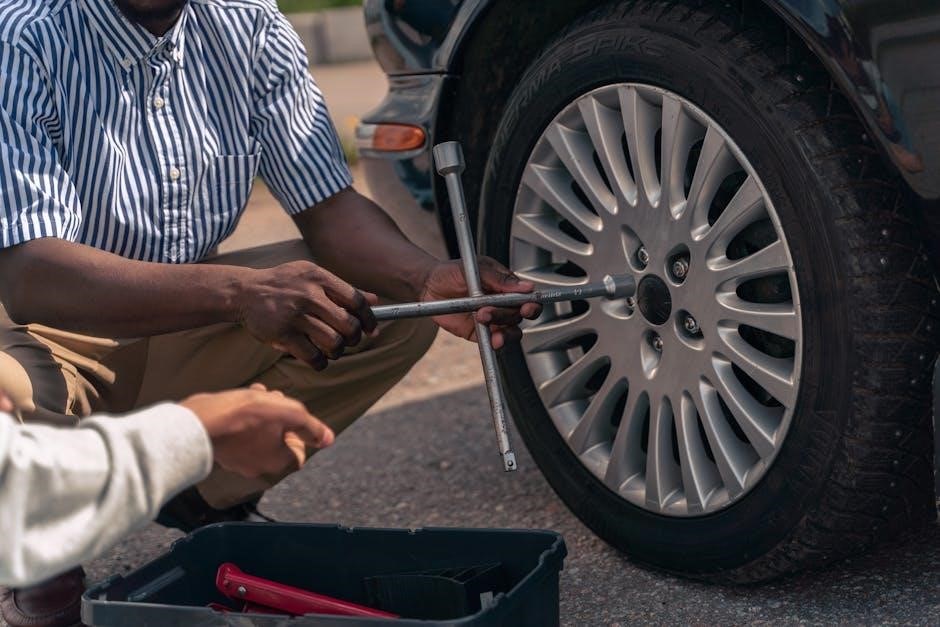
Considering long-term expenses, the cost of ownership differs between manual and automatic transmissions. Generally, manual transmissions have historically been cheaper to repair due to their simpler mechanical design. However, finding qualified mechanics for manual transmission work can sometimes be challenging.
Automatic transmissions, while often more reliable initially, tend to have significantly higher repair costs when issues arise. Complex components and specialized knowledge contribute to these expenses. Routine maintenance, like fluid changes, is crucial for both types, but the overall lifetime repair bill often favors the manual transmission – assuming it’s well-maintained and driven responsibly.
The Future of Transmissions: Trends and Predictions
The automotive landscape is rapidly evolving, significantly impacting transmission technology. The rise of hybrid and electric vehicles (EVs) presents a major shift, as manual transmissions are becoming increasingly rare in these platforms. Most hybrids and all electric cars currently don’t offer a manual gearbox option.
Automated manual transmissions and continuously variable transmissions (CVTs) are gaining traction, offering efficiency and smoothness. While fully automatic transmissions will likely remain dominant for the foreseeable future, advancements in software and control systems may blur the lines between transmission types. The demand for traditional manuals is dwindling, suggesting a future where they become a niche offering for enthusiasts.
Learning to Drive: Is it Easier with Automatic First?
For many new drivers, an automatic transmission offers a gentler introduction to the road. The reduced complexity – no clutch control or gear shifting – allows learners to focus on fundamental driving skills like steering, braking, and spatial awareness. This can build confidence and reduce initial stress.
However, learning automatic first doesn’t necessarily translate to a quicker path to overall driving proficiency. Mastering a manual transmission fosters a deeper understanding of vehicle mechanics and control. While manuals require more concentration initially, they can ultimately lead to more engaged and skilled drivers. The choice depends on individual learning styles and long-term driving goals.
Resale Value: Does Transmission Type Matter?
Historically, vehicles with manual transmissions held a slight edge in resale value, appealing to a niche market of driving enthusiasts. However, in the US, where automatics overwhelmingly dominate, this trend is shifting. The limited demand for manuals can sometimes result in longer selling times and potentially lower offers.
Currently, resale value is more heavily influenced by factors like vehicle condition, mileage, and overall market demand. While a well-maintained manual might attract a specific buyer willing to pay a premium, a comparable automatic will likely appeal to a broader audience, potentially leading to a faster and more lucrative sale. Consider your local market when evaluating this factor.
Ultimately, the “right” transmission depends entirely on your individual needs and preferences. If ease of use and comfort are paramount, especially in congested areas, an automatic is the clear choice. Given the US market’s dominance of automatics, finding a vehicle and qualified repair services will be simpler.
However, if you prioritize driver engagement, control, and potentially a lower initial purchase price (though repair costs can be higher), a manual transmission offers a uniquely rewarding experience. Be realistic about the learning curve and limited availability, particularly with newer hybrid and electric vehicles. Carefully weigh these factors to make an informed decision.