Embark on a transformative journey with our 21-day keto plan! This guide offers a complete meal plan, nutritional details, and shopping lists for beginners seeking effective weight loss.
What is the Ketogenic Diet?
The ketogenic diet is a high-fat, very low-carbohydrate eating plan designed to shift the body’s primary fuel source from glucose (from carbs) to ketones (from fat). This metabolic state, called ketosis, occurs when carbohydrate intake is drastically reduced – typically to under 50 grams per day.
By limiting carbs, the body begins to break down stored fat into ketones, which are then used for energy. This process can lead to weight loss, improved blood sugar control, and increased energy levels. A 21-day keto diet aims to quickly establish this fat-burning state, offering a structured approach for beginners to experience these benefits.
Benefits of a 21-Day Keto Challenge
A focused 21-day keto challenge can jumpstart weight loss by promoting efficient fat burning and reducing water retention. Beyond weight management, participants often experience increased energy levels and mental clarity as the body adapts to using ketones for fuel. This short-term commitment fosters discipline and establishes healthy eating habits.
Furthermore, a 21-day plan can improve insulin sensitivity, potentially benefiting those with blood sugar concerns. It’s an excellent way to explore the ketogenic lifestyle and determine its suitability, offering a tangible experience of its potential health advantages before committing long-term.
Understanding the Basics of Keto for Beginners
The ketogenic diet centers around high fats, moderate proteins, and very low carbohydrates, shifting your body to burn fat for energy instead of glucose.
Macronutrient Ratios (Fat, Protein, Carbs)
Achieving optimal ketosis relies on precise macronutrient ratios. Typically, a ketogenic diet consists of approximately 70-80% of calories from fat, 20-25% from protein, and a very limited 5-10% from carbohydrates. This breakdown forces the body to utilize fat as its primary fuel source.
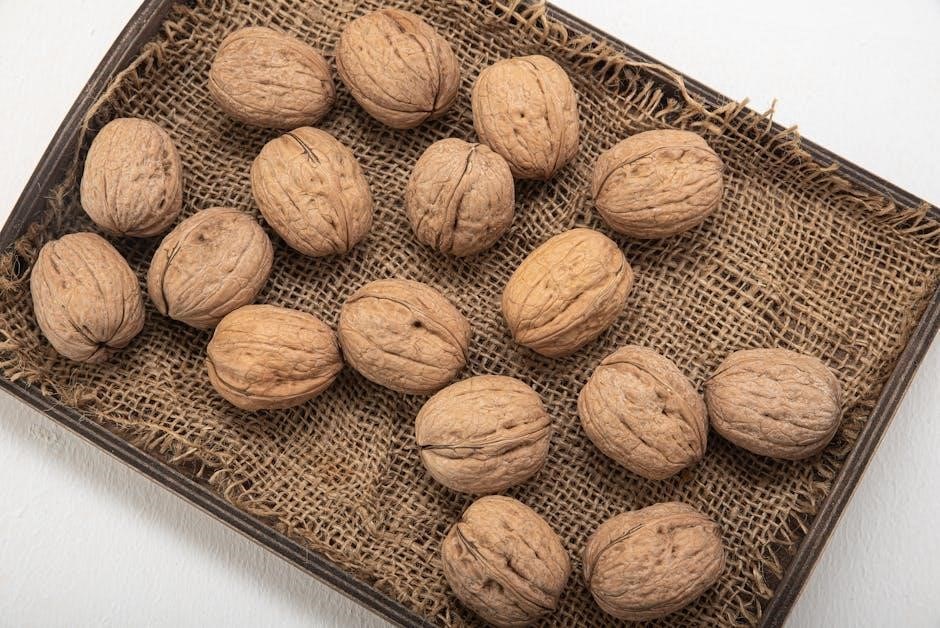
Carefully tracking these ratios is crucial, especially when starting. Utilizing a food tracking app can simplify this process. Remember, individual needs may vary based on activity level and metabolic rate. Prioritizing healthy fats like avocados, olive oil, and nuts is key, alongside moderate protein intake to preserve muscle mass.
Foods to Eat on a Keto Diet
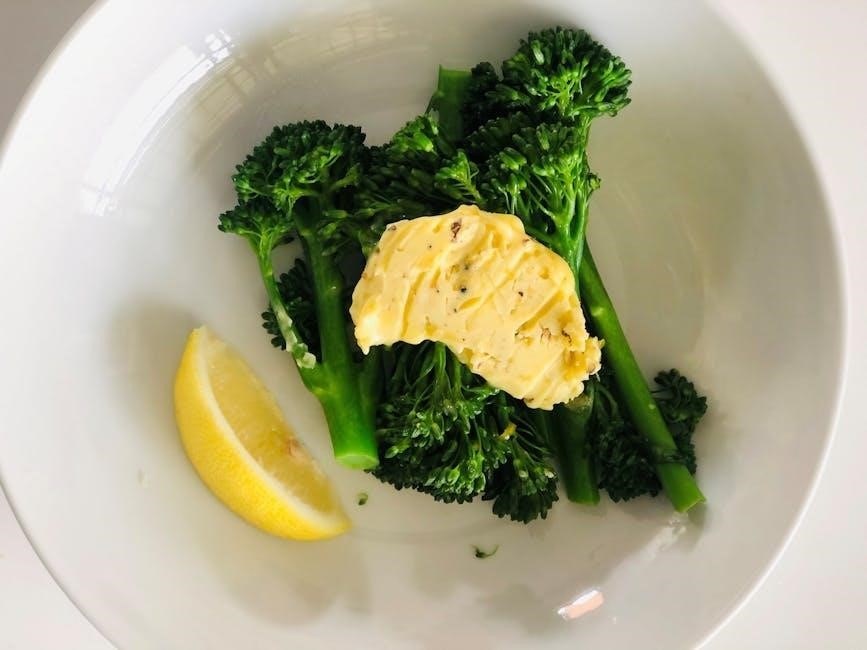
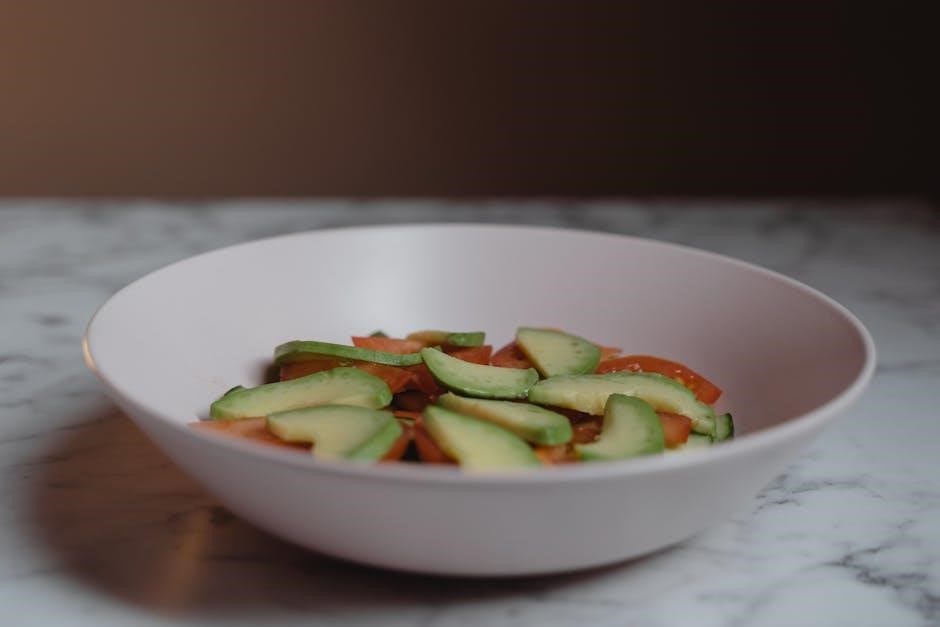
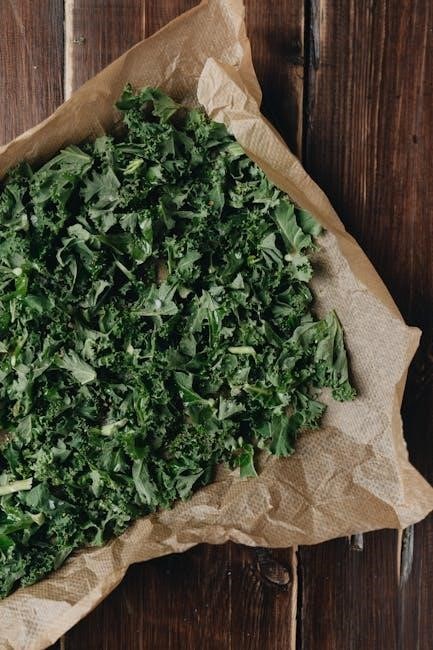
A successful keto diet centers around nutrient-dense, low-carb foods. Embrace healthy fats like avocados, olive oil, coconut oil, and nuts & seeds. Protein sources should include meat, poultry, fish, and eggs. Non-starchy vegetables – spinach, kale, broccoli, and cauliflower – are essential for vitamins and fiber.
Dairy can be included in moderation, opting for full-fat options like cheese and heavy cream. Berries, in small portions, offer a sweet treat without significantly impacting carb intake. Prioritize whole, unprocessed foods to maximize nutritional benefits and support sustained energy levels throughout your 21-day challenge.
Foods to Avoid on a Keto Diet
Strict carbohydrate restriction is key on keto, demanding careful food choices. Eliminate sugars entirely – this includes soda, juice, candy, and most desserts. Grains like wheat, rice, and corn are also off-limits, as are starchy vegetables such as potatoes and sweet potatoes.
Most fruits are too high in carbs, with limited exceptions like berries in small quantities. Legumes (beans, lentils) should be avoided due to their carbohydrate content. Processed foods, often containing hidden sugars and unhealthy fats, are best excluded. Focus on whole, unprocessed options to maintain ketosis and achieve optimal results during your 21-day plan.
The 21-Day Keto Meal Plan Structure
Our plan delivers a structured, three-week approach. It includes weekly overviews, essential shopping lists, and detailed nutritional information for each delicious, keto-friendly recipe.
Weekly Meal Plan Overview
Each week of the 21-day plan is strategically designed to optimize your ketogenic experience. Week one focuses on a “Keto Kickstart,” gently introducing your body to fat-burning mode with simple, satisfying meals. Week two, “Building Momentum,” introduces more variety while reinforcing keto principles, helping you adapt and enjoy the process.
Finally, week three, “Sustaining Results,” emphasizes long-term adherence with flavorful recipes and strategies for maintaining your progress. The plan provides breakfast, lunch, and dinner menus, ensuring a balanced and enjoyable dietary approach. This structured approach, coupled with a dedicated shopping list, simplifies your journey towards achieving your weight loss goals.
Importance of a Keto Shopping List
A well-prepared keto shopping list is paramount for success on this 21-day journey. It eliminates impulse purchases of carb-laden foods and ensures you have all necessary ingredients readily available. This proactive approach minimizes temptations and streamlines meal preparation, saving you valuable time and effort throughout the week.
Each weekly list is tailored to the specific recipes included in the meal plan, categorizing items for efficient grocery shopping. Staying organized with your shopping prevents derailment and supports consistent adherence to the ketogenic diet, maximizing your chances of achieving optimal results and enjoying the process.
Nutritional Information per Recipe
Each recipe within this 21-day keto meal plan is accompanied by comprehensive nutritional information. We provide detailed macronutrient breakdowns, including total fats, protein, and net carbohydrates, allowing for precise tracking of your daily intake. This transparency empowers you to stay within your ketogenic goals and understand the impact of each meal on your body.
Serving sizes are clearly indicated, ensuring accurate calculations. This detailed data is crucial for beginners navigating the keto diet, fostering informed food choices and promoting sustainable, healthy weight loss. Knowing exactly what you’re consuming is key to success!

Sample Meal Ideas for Each Week
Discover delicious keto recipes for breakfast, lunch, and dinner! Each week introduces new flavors and variety, keeping your 21-day journey exciting and sustainable.
Week 1: Keto Kickstart
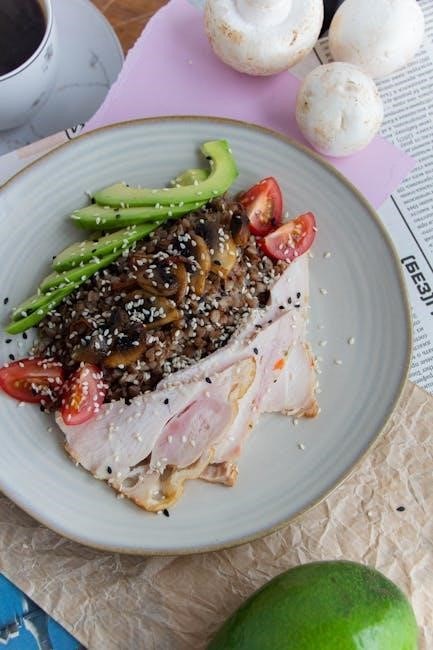
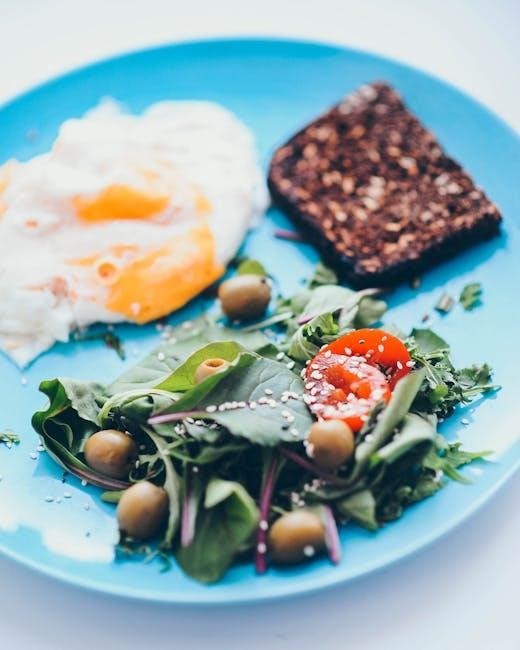
Welcome to your first week! This phase focuses on transitioning your body into ketosis. Expect to see initial water weight loss as glycogen stores deplete. Meals emphasize simple, satisfying recipes like scrambled eggs with avocado for breakfast, a hearty chicken salad for lunch, and baked salmon with asparagus for dinner.
Prioritize healthy fats, moderate protein, and very low carbohydrates. A detailed shopping list is provided to ensure you have everything needed. Remember to drink plenty of water and monitor how your body responds. This week is about establishing a solid foundation for success!
Week 2: Building Momentum
Now that your body is adapting, Week 2 introduces slightly more variety while maintaining strict keto principles. Explore recipes like keto-friendly chili, ground beef and broccoli stir-fry, and creamy mushroom chicken. Continue prioritizing healthy fats and moderate protein intake, keeping carbohydrates minimal.
Focus on incorporating more non-starchy vegetables for added nutrients and fiber. Utilize the provided shopping list to streamline your grocery trips. Track your progress and note any changes in energy levels or cravings. Consistency is key to building momentum and achieving optimal results!
Week 3: Sustaining Results
Congratulations on reaching Week 3! This phase focuses on solidifying your keto lifestyle for long-term success. Introduce recipes like salmon with asparagus, cauliflower mac and cheese, and keto chicken salad. Continue to monitor your ketone levels and adjust macronutrient ratios as needed.
Experiment with different seasonings and herbs to keep meals exciting. Remember that mindful eating and portion control are crucial. Utilize the weight loss tracking template to celebrate your achievements and identify areas for improvement. Embrace keto as a sustainable way of eating!

Tracking Progress and Staying Motivated
Monitor your success! Utilize our weight loss template and ketone level tracking to stay focused and achieve lasting results on your keto journey.
Weight Loss Tracking Template
Consistent monitoring is key to success! Our detailed template allows you to record daily weight, measurements, and overall feelings throughout the 21-day challenge. Track your starting weight and body measurements – waist, hips, and thighs – for a comprehensive view of progress.
Record your weight each morning, under similar conditions, for accuracy. Note any non-scale victories, like increased energy or improved clothing fit. Visualizing your transformation with graphs and charts can be incredibly motivating. This template isn’t just about numbers; it’s about acknowledging your dedication and celebrating every milestone achieved during this keto journey!
Monitoring Ketone Levels
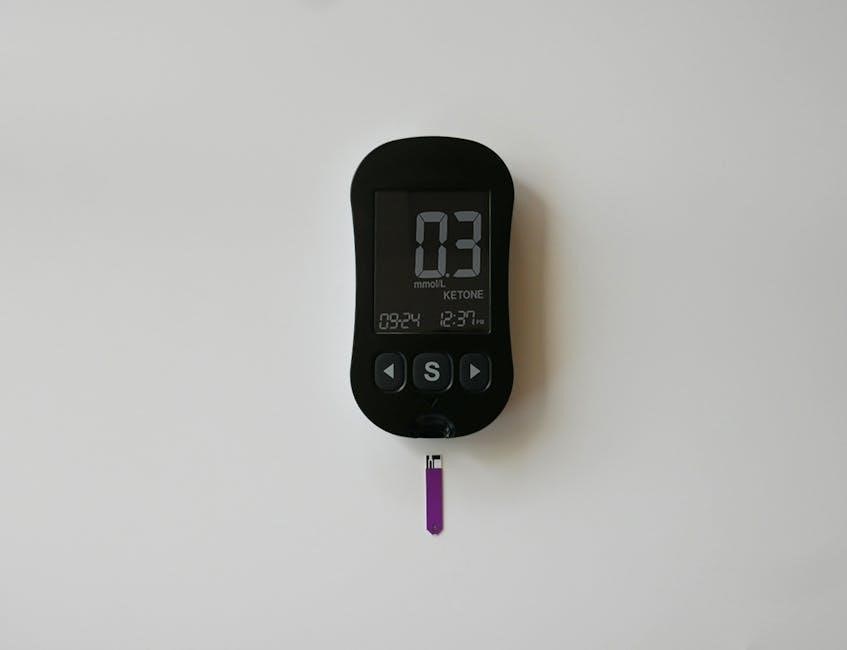
Confirming ketosis enhances your results! While not mandatory, tracking ketone levels provides valuable insight into your metabolic state. Utilize methods like urine strips, blood ketone meters, or breath analyzers to measure ketone concentration.
Optimal ketone levels generally range between 0.5-3.0 mmol/L, indicating successful carbohydrate restriction. Remember that individual responses vary, and levels aren’t the sole indicator of success. Focus on consistent adherence to the diet and observing positive changes in energy and weight. Monitoring helps fine-tune your macronutrient intake for optimal ketosis and sustained weight loss.

Keto Recipes & Alternatives
Discover delicious keto-friendly options! Enjoy breakfast, lunch, and dinner recipes, plus satisfying desserts – all designed to fit your low-carb lifestyle perfectly.
Keto-Friendly Breakfast Recipes
Start your day right with these flavorful keto breakfasts! Imagine waking up to fluffy keto pancakes, a delightful alternative to traditional, carb-laden versions. Or perhaps a savory keto breakfast bake, packed with cheese and your favorite low-carb veggies, will tantalize your taste buds.
Don’t forget about quick and easy options like scrambled eggs with avocado, or a creamy chia seed pudding sweetened with a keto-approved sweetener. Even keto bread is achievable, allowing for delicious toast with almond butter. These recipes provide sustained energy and keep you feeling full and satisfied, setting a positive tone for a successful keto day. Explore these alternatives and enjoy a breakfast that aligns with your goals!
Keto-Friendly Lunch & Dinner Recipes
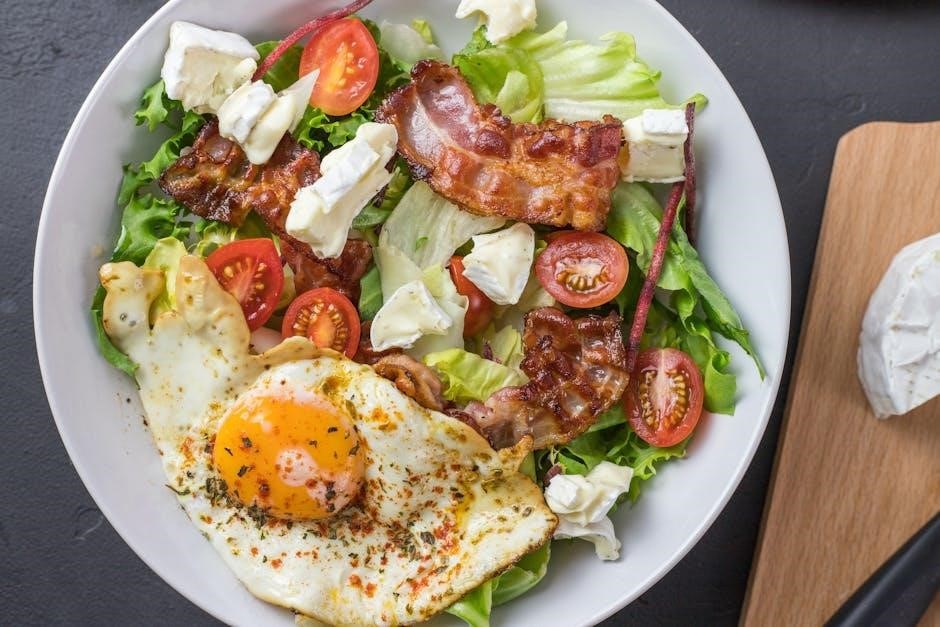
Fuel your afternoons and evenings with these satisfying keto meals! Picture a juicy keto-friendly burger, wrapped in lettuce instead of a bun, paired with a side of creamy coleslaw. Or savor a flavorful salmon with roasted asparagus, a perfect combination of healthy fats and essential nutrients.
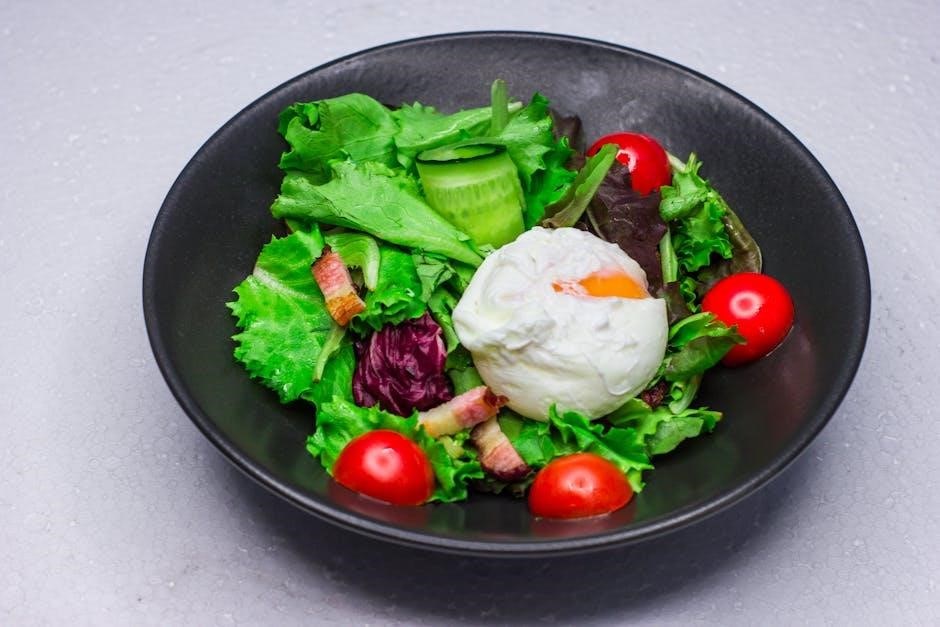
For quick lunches, consider a large salad with grilled chicken or shrimp, dressed with a vinaigrette. Dinner options include hearty keto chili, cheesy chicken casseroles, or even a surprisingly delicious keto pizza. These recipes prioritize protein and healthy fats, keeping you feeling full and energized throughout the day, while staying within your macronutrient goals.
Keto Dessert Options
Indulge your sweet tooth without derailing your keto progress! Satisfy cravings with decadent keto chocolate mousse, made with avocado for a creamy texture and rich flavor. Explore sugar-free cheesecake recipes, utilizing almond flour and erythritol for a guilt-free treat.
Berry-based desserts, like strawberry shortcake with a keto biscuit, offer a refreshing option. You can also enjoy keto-friendly cookies, brownies, or even ice cream, all crafted with low-carb ingredients. These desserts prove that you don’t have to sacrifice enjoyment while adhering to a ketogenic lifestyle, offering delightful sweetness without the sugar spike.

Potential Side Effects & How to Manage Them
Navigating initial adjustments is key! Expect potential “keto flu” symptoms; stay hydrated and replenish electrolytes to minimize discomfort during this transition.
The “Keto Flu” and Remedies
The “keto flu” is a common, temporary cluster of symptoms experienced when transitioning to a ketogenic diet. These can include headache, fatigue, nausea, muscle cramps, and irritability – resembling flu-like symptoms. It arises from electrolyte imbalances and the body adapting to using fat for fuel instead of carbohydrates.
Fortunately, several remedies can alleviate these effects. Prioritize hydration by drinking plenty of water with added electrolytes like sodium, potassium, and magnesium. Bone broth is an excellent source of electrolytes. Gradually reducing carbohydrate intake before starting keto can also lessen the severity. Rest and light activity are also beneficial during this adjustment period.
Electrolyte Imbalance & Supplementation
A ketogenic diet often leads to electrolyte imbalances due to reduced insulin levels and increased water excretion. Sodium, potassium, and magnesium are crucial for nerve function, muscle contraction, and fluid balance, and are easily depleted on keto. Symptoms of imbalance include fatigue, muscle cramps, headaches, and heart palpitations.
Supplementation is often necessary. Increasing salt intake is vital – consider adding a pinch to water or broth. Potassium can be obtained from keto-friendly foods like avocados and spinach, or through supplementation. Magnesium supplements, like magnesium citrate, can also be beneficial. Monitoring electrolyte levels and adjusting supplementation accordingly is recommended.
Resources and Further Learning
Expand your keto knowledge! Explore recommended websites, blogs, and cookbooks for continued support, diverse recipes, and a deeper understanding of the diet.
Recommended Keto Websites & Blogs
Dive deeper into the keto world with these fantastic online resources! Diet Doctor (dietdoctor.com) provides comprehensive guides, meal plans, and recipes, catering to all levels of keto experience. Ruled.me (ruled.me) offers in-depth articles on the science behind keto, alongside practical tips for success. For visually appealing recipes and lifestyle inspiration, check out Perfect Keto (perfectketo.com).
Additionally, explore blogs like KetoConnect (ketoconnect.com) for engaging video content and delicious meal ideas. These platforms offer a wealth of information, support communities, and tools to help you navigate your 21-day keto journey and beyond, ensuring long-term success and enjoyment.
Keto Cookbooks and Recipe Resources
Expand your culinary horizons with these excellent keto cookbooks! “The Keto Diet” by Leanne Vogel is a comprehensive guide with over 125 recipes, focusing on hormone balance. “Keto Comfort Foods” by Maria Emmerich offers delicious, keto-friendly versions of classic comfort meals. For quick and easy recipes, consider “Keto in 28” by Jenna Fischer.
Beyond books, explore online recipe databases like All Day I Dream About Food (alldayidreamaboutfood.com) and Wholesome Yum (wholesomeyum.com). These resources provide a diverse range of recipes, catering to various tastes and dietary needs, supporting your 21-day keto plan and beyond.