
The Stanford FODMAP diet PDF is a valuable resource‚ educating individuals on this approach for managing digestive issues like IBS through careful food selection.
FODMAPs‚ fermentable carbohydrates‚ can be difficult to digest‚ leading to discomfort; this diet aims to minimize those symptoms by limiting specific food groups.
What are FODMAPs?
FODMAP is an acronym representing Fermentable Oligosaccharides‚ Disaccharides‚ Monosaccharides‚ and Polyols – a collection of short-chain carbohydrates. These sugars are often incompletely absorbed in the small intestine.
Consequently‚ they travel to the large intestine where they are fermented by gut bacteria. This fermentation process produces gas and draws water into the bowel‚ potentially causing bloating‚ gas‚ abdominal pain‚ diarrhea‚ or constipation.
The Stanford FODMAP diet PDF emphasizes understanding these carbohydrates to effectively manage digestive symptoms‚ particularly in individuals with Irritable Bowel Syndrome (IBS).
The Stanford FODMAP Diet PDF: An Overview
The Stanford FODMAP diet PDF serves as a comprehensive guide for individuals seeking to implement a low FODMAP eating plan. It’s designed to educate users about the diet’s principles and provide practical tools for successful navigation.
This resource details which foods are high and low in FODMAPs‚ offering lists and guidance for meal planning. It outlines the three phases – elimination‚ reintroduction‚ and personalization – crucial for identifying individual trigger foods.
Ultimately‚ the PDF aims to empower individuals to manage digestive symptoms effectively through informed dietary choices.

Understanding FODMAP Groups
FODMAPs encompass fermentable oligosaccharides‚ disaccharides‚ monosaccharides‚ and polyols – short-chain carbohydrates that can cause digestive distress in sensitive individuals.
Understanding these groups—fructose‚ lactose‚ fructans‚ galactans‚ and polyols—is key to a successful low FODMAP diet‚ as detailed in Stanford’s PDF.
Fructose: Sources and Impact
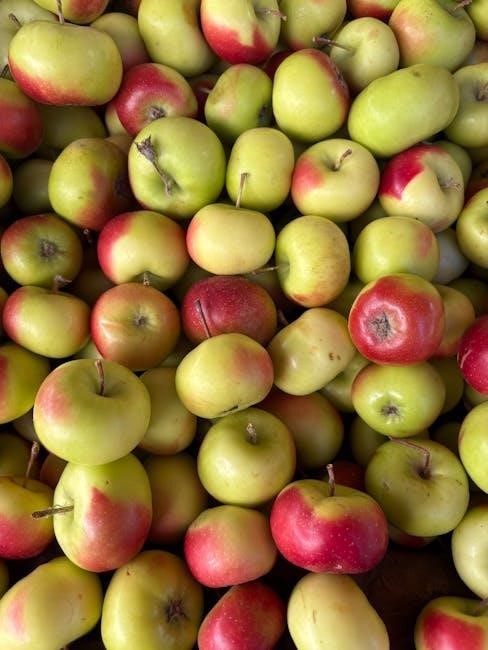
Fructose‚ a simple sugar‚ becomes a concern on a low FODMAP diet when present in excess or when its absorption is impaired. The Stanford FODMAP diet PDF highlights common sources like fruits – apples‚ pears‚ mangoes – and honey‚ as well as high-fructose corn syrup found in many processed foods.
For those with fructose malabsorption‚ undigested fructose ferments in the gut‚ leading to gas‚ bloating‚ and diarrhea. The diet isn’t about eliminating fructose entirely‚ but rather moderating intake and being mindful of fructose-to-glucose ratios‚ as glucose aids absorption. Careful portion control‚ guided by the PDF‚ is crucial.
Lactose: Identifying High-Lactose Foods
Lactose‚ the sugar found in dairy products‚ poses a challenge for individuals with lactose intolerance‚ a common reason for following a low FODMAP diet. The Stanford FODMAP diet PDF emphasizes identifying high-lactose foods‚ primarily milk‚ yogurt‚ and soft cheeses like ricotta and cream cheese.
Fortunately‚ lactose-free alternatives are widely available. Hard cheeses‚ like cheddar and parmesan‚ generally contain lower lactose levels and may be tolerated. The PDF guides users in understanding lactose content and suggests strategies like using lactase enzyme supplements to aid digestion when consuming small amounts of dairy.
Fructans: Common Sources and Digestive Effects
Fructans‚ a group of carbohydrates‚ are prevalent in many common foods‚ making them a significant focus of the low FODMAP diet. The Stanford FODMAP diet PDF highlights wheat‚ rye‚ garlic‚ and onions as primary sources of fructans. These are often hidden in processed foods‚ requiring careful label reading.
Digestively‚ fructans are poorly absorbed in the small intestine‚ leading to fermentation by gut bacteria‚ causing gas‚ bloating‚ and abdominal pain. The PDF details how reducing fructan intake can alleviate these IBS symptoms‚ offering guidance on suitable alternatives and portion sizes.
Galactans: Foods to Limit on a Low FODMAP Diet
Galactans‚ another FODMAP group‚ are primarily found in legumes like beans‚ lentils‚ and chickpeas. The Stanford FODMAP diet PDF emphasizes the need to limit these foods during the elimination phase due to their potential to trigger digestive distress. Even small portions can cause significant symptoms in sensitive individuals.
Like other FODMAPs‚ galactans are poorly digested and fermented in the large intestine‚ resulting in gas‚ bloating‚ and discomfort. The PDF provides guidance on serving sizes and suggests alternative protein sources during the elimination period.
Polyols: Sorbitol‚ Mannitol‚ Xylitol‚ and Maltitol
Polyols‚ including sorbitol‚ mannitol‚ xylitol‚ and maltitol‚ are sugar alcohols often used as sweeteners in sugar-free products. The Stanford FODMAP diet PDF highlights these as potential triggers for IBS symptoms. They are poorly absorbed by the small intestine‚ leading to fermentation in the large intestine.
Common sources include certain fruits like apples‚ pears‚ and stone fruits‚ as well as artificial sweeteners found in candies and gums. The PDF advises careful label reading and moderation to manage polyol intake effectively.
Irritable Bowel Syndrome (IBS) and FODMAPs
The Stanford FODMAP diet PDF focuses on IBS symptom relief by addressing FODMAP intolerance‚ a common trigger for digestive distress in affected individuals.
Poorly digested FODMAPs can exacerbate IBS‚ causing gas‚ bloating‚ and altered bowel habits; the diet aims to identify and manage these triggers.
The Link Between IBS and FODMAP Intolerance
The Stanford FODMAP diet PDF highlights a strong connection between Irritable Bowel Syndrome (IBS) and sensitivity to FODMAPs‚ fermentable short-chain carbohydrates.
Individuals with IBS often experience digestive discomfort when consuming high-FODMAP foods because these carbohydrates aren’t fully absorbed in the small intestine.
This malabsorption leads to fermentation in the large intestine‚ producing gas and drawing water into the bowel‚ resulting in common IBS symptoms like bloating‚ pain‚ diarrhea‚ and constipation.
The diet’s core principle is reducing these fermentable sugars to alleviate these symptoms‚ offering a targeted approach to IBS management by addressing a key physiological mechanism.
How FODMAPs Trigger IBS Symptoms
The Stanford FODMAP diet PDF explains how FODMAPs initiate IBS symptoms through several mechanisms within the digestive system.
When undigested‚ FODMAPs reach the large intestine‚ where they become food for gut bacteria‚ leading to increased fermentation and gas production.
This fermentation process draws water into the intestine‚ potentially causing diarrhea or loose stools‚ while the gas contributes to bloating and abdominal discomfort.
Furthermore‚ FODMAPs can alter gut motility‚ either speeding it up (diarrhea) or slowing it down (constipation)‚ exacerbating IBS symptoms in susceptible individuals.
Diagnosing IBS and the Role of the FODMAP Diet
The Stanford FODMAP diet PDF emphasizes that a formal IBS diagnosis‚ typically by a healthcare professional‚ precedes implementing the diet.
Diagnosis often involves ruling out other conditions with similar symptoms‚ like celiac disease or inflammatory bowel disease‚ through appropriate testing.
The low FODMAP diet isn’t a cure for IBS‚ but a management tool; it helps identify trigger foods contributing to individual symptoms.
It’s used as a diagnostic tool itself‚ as symptom improvement on the diet strongly suggests FODMAP sensitivity plays a role in the IBS presentation.

The Three Phases of the Low FODMAP Diet
The Stanford FODMAP diet PDF outlines three phases: elimination‚ carefully removing high-FODMAP foods; reintroduction‚ systematically testing tolerance; and personalization‚ for long-term management.
Phase 1: Elimination
The Stanford FODMAP diet PDF emphasizes a strict elimination phase‚ typically lasting 2-6 weeks‚ to reduce digestive symptoms. This involves removing high-FODMAP foods – fructose‚ lactose‚ fructans‚ galactans‚ and polyols – from your diet entirely.
The goal isn’t necessarily a permanent restriction‚ but rather a reset for the gut. During this phase‚ focus on consuming foods generally considered low in FODMAPs‚ as detailed in resources like the Monash University app. Careful label reading is crucial to identify hidden FODMAPs in processed foods.
This initial step aims to calm the digestive system and establish a baseline before systematically reintroducing foods to pinpoint individual triggers.
Phase 2: Reintroduction
The Stanford FODMAP diet PDF guides you through a systematic reintroduction phase‚ crucial for identifying personal trigger foods. This isn’t about eliminating foods forever‚ but understanding your tolerance levels.
Introduce one FODMAP group at a time‚ starting with a small portion and gradually increasing it over three days‚ carefully monitoring for symptom recurrence. Keep a detailed food and symptom diary to track your body’s response.
Challenge FODMAPs individually‚ ensuring no other new foods are introduced simultaneously. This phase requires patience and diligence to accurately pinpoint sensitivities.
Phase 3: Personalization/Maintenance
The Stanford FODMAP diet PDF emphasizes that this final phase isn’t restrictive‚ but about creating a sustainable‚ personalized eating plan. Based on reintroduction results‚ you’ll identify your individual trigger foods and tolerance thresholds.
Gradually reincorporate tolerated FODMAPs in amounts you can comfortably manage‚ focusing on a varied and nutritionally balanced diet. Prioritize gut health through fiber-rich foods and consider probiotic supplementation‚ as advised by a healthcare professional.
Long-term management involves ongoing self-monitoring and adjustments as needed.

Navigating the Elimination Phase
The Stanford FODMAP diet PDF guides strict avoidance of high-FODMAP foods for 2-6 weeks to reduce symptoms‚ then assess tolerance through reintroduction.
Focus on allowed foods during this initial phase to calm the digestive system and establish a baseline.
Foods Generally Allowed During Elimination
The Stanford FODMAP diet PDF emphasizes several food groups generally well-tolerated during the elimination phase. These include most meats‚ poultry‚ fish‚ eggs‚ and firm cheeses like cheddar.
Rice‚ quinoa‚ oats (in limited quantities)‚ and potatoes are typically safe carbohydrate choices. Many vegetables‚ such as carrots‚ spinach‚ tomatoes‚ and lettuce‚ are also permitted.
Fruits like bananas (slightly green)‚ blueberries‚ and oranges can be included. Beverages such as water‚ herbal teas‚ and unsweetened almond milk are generally acceptable. Remember to always check portion sizes‚ as even low-FODMAP foods can trigger symptoms if consumed in excess;
Foods to Avoid During Elimination
The Stanford FODMAP diet PDF clearly outlines foods to eliminate during the initial phase. High-fructose fruits like apples‚ pears‚ and mangoes are restricted‚ as are those containing polyols like peaches and plums.
Dairy products high in lactose‚ including milk‚ yogurt‚ and soft cheeses‚ should be avoided. Wheat‚ rye‚ and onions are significant sources of fructans and must be excluded.
Legumes like beans and lentils‚ containing galactans‚ are also off-limits. Sweeteners containing high-fructose corn syrup or artificial sweeteners like sorbitol and mannitol should be eliminated to minimize digestive distress.
Reading Food Labels for Hidden FODMAPs
The Stanford FODMAP diet PDF emphasizes diligent label reading. Many processed foods contain hidden FODMAPs‚ requiring careful scrutiny of ingredient lists.
Look for ingredients ending in “-itol” (sorbitol‚ mannitol‚ xylitol) indicating polyols. High-fructose corn syrup is a clear red flag‚ as are honey and agave nectar.
“Natural flavors” can sometimes conceal FODMAPs‚ so caution is advised. Be aware of inulin‚ fructans‚ and lactose used as additives. Understanding these hidden sources is crucial for successful elimination and symptom management.

Reintroduction: Identifying Trigger Foods
The Stanford FODMAP diet PDF guides systematic reintroduction‚ challenging FODMAPs individually to pinpoint specific triggers and tolerance levels for personalized dietary plans.
Careful symptom documentation during this phase is essential for understanding individual responses and long-term dietary management.
The Importance of Systematic Reintroduction
The Stanford FODMAP diet PDF emphasizes a structured reintroduction phase as crucial for identifying individual trigger foods‚ moving beyond general elimination.
Randomly adding foods back can mask sensitivities and hinder accurate assessment; a systematic approach involves introducing one FODMAP group at a time‚ in controlled portions.
This allows for clear correlation between food intake and symptom onset‚ enabling personalized dietary adjustments. The PDF stresses the importance of returning to a baseline diet before each challenge‚ and carefully monitoring for any adverse reactions.
This meticulous process is key to expanding dietary variety while minimizing digestive distress.
How to Challenge FODMAPs Individually
The Stanford FODMAP diet PDF details a precise method for challenging FODMAPs: select one FODMAP group – fructose‚ lactose‚ etc. – and a single food within that group.
Begin with a small portion‚ gradually increasing it over three days while meticulously documenting any symptoms like bloating‚ gas‚ or pain.
If symptoms arise‚ the food is likely a trigger; if none occur‚ another food from the same FODMAP group can be tested.
The PDF advises returning to the elimination diet between challenges to ensure accurate results and avoid symptom overlap.
Documenting Symptoms During Reintroduction
The Stanford FODMAP diet PDF emphasizes detailed symptom tracking during reintroduction as crucial for identifying trigger foods. Maintain a food diary‚ noting everything consumed and the precise time.
Alongside food intake‚ record any digestive symptoms – bloating‚ gas‚ abdominal pain‚ diarrhea‚ or constipation – along with their severity (e.g.‚ mild‚ moderate‚ severe) and timing.
Be specific; instead of “stomach pain‚” write “sharp cramping in lower abdomen‚ 7/10 intensity‚ 30 minutes after eating.”
This meticulous record helps pinpoint problematic FODMAPs and personalize your diet effectively.

Resources and Tools
The Stanford FODMAP diet PDF serves as a foundational guide‚ complemented by tools like the Monash University FODMAP Diet App for detailed food listings.
Consider consulting a registered dietitian for personalized support navigating this complex dietary approach and optimizing your gut health.
The Stanford FODMAP Diet PDF: Key Information
The Stanford FODMAP diet PDF is designed to be a comprehensive educational tool for individuals seeking relief from digestive distress‚ particularly those diagnosed with Irritable Bowel Syndrome (IBS).
This resource meticulously outlines the low FODMAP approach‚ detailing which foods are high and low in FODMAPs – fermentable oligosaccharides‚ disaccharides‚ monosaccharides‚ and polyols.
It provides practical guidance on implementing the three phases of the diet: elimination‚ reintroduction‚ and personalization. The PDF emphasizes systematic food challenges to identify individual trigger foods.
Furthermore‚ it offers tips for reading food labels to detect hidden FODMAPs and navigating dietary restrictions in social situations‚ empowering individuals to manage their symptoms effectively;
Monash University FODMAP Diet App
While the Stanford FODMAP diet PDF provides a solid foundation‚ the Monash University FODMAP Diet App serves as an incredibly convenient and up-to-date companion for navigating this complex dietary approach.
Developed by the researchers who pioneered FODMAP research‚ the app boasts an extensive and regularly updated food database‚ indicating FODMAP levels for thousands of items.
It allows users to quickly check the suitability of foods‚ offering portion size guidance and personalized recommendations based on individual tolerance levels;
The app also includes recipes‚ a symptom tracker‚ and shopping lists‚ streamlining the low FODMAP journey and enhancing dietary adherence;
Registered Dietitian Support
Although the Stanford FODMAP diet PDF is a helpful starting point‚ personalized guidance from a Registered Dietitian (RD) is invaluable for successful long-term management of IBS symptoms through dietary changes.
An RD specializing in FODMAPs can help tailor the diet to your specific needs‚ ensuring adequate nutrient intake while minimizing trigger foods.
They can assist with navigating the three phases – elimination‚ reintroduction‚ and personalization – and address any challenges encountered.
An RD provides accountability‚ education‚ and support‚ maximizing the effectiveness of the low FODMAP approach and fostering sustainable healthy eating habits.

Low FODMAP Meal Planning
The Stanford FODMAP diet PDF emphasizes careful meal planning‚ focusing on allowed foods to reduce digestive distress and identify individual trigger foods effectively.
Creating balanced‚ flavorful meals within FODMAP restrictions is achievable with readily available resources and mindful ingredient selection.
Breakfast Ideas
The Stanford FODMAP diet PDF guides individuals toward breakfast options that minimize digestive upset. Consider lactose-free yogurt with a sprinkle of blueberries and a tablespoon of maple syrup – ensuring portion sizes are moderate.
Oatmeal‚ prepared with water or lactose-free milk‚ is another excellent choice; avoid adding high-FODMAP fruits like apples or pears. Scrambled eggs with spinach are generally well-tolerated‚ providing a protein-rich start to the day. Rice porridge is also a good option.
Remember to check ingredient labels carefully‚ as hidden FODMAPs can be present in seemingly safe foods.
Lunch Options
The Stanford FODMAP diet PDF suggests focusing on simple‚ easily digestible lunches. A salad with mixed greens‚ cucumber‚ carrots‚ and grilled chicken or turkey‚ dressed with olive oil and lemon juice‚ is a good starting point.
Ensure dressings are FODMAP-friendly‚ avoiding those with high-fructose corn syrup or garlic. Rice noodles with shrimp and vegetables‚ seasoned with ginger and soy sauce (check for garlic/onion)‚ are another viable option.
Leftovers from a FODMAP-compliant dinner also make excellent lunches‚ simplifying meal preparation and ensuring adherence to the diet.
Dinner Recipes
The Stanford FODMAP diet PDF emphasizes dinners built around lean proteins and low-FODMAP vegetables. Baked chicken breast with roasted potatoes and steamed green beans is a simple‚ satisfying meal.
Salmon with quinoa and a side of carrots offers healthy fats and complex carbohydrates. Stir-fries using tamari (gluten-free soy sauce) and low-FODMAP vegetables like bell peppers and spinach are also excellent choices.
Remember to avoid garlic and onion in your cooking‚ opting for garlic-infused oil (oil only‚ no actual garlic pieces) for flavor.
Common Challenges and Solutions
The Stanford FODMAP diet PDF acknowledges difficulties like eating out; planning ahead and communicating dietary needs are key to success and symptom management.
Navigating social events requires mindful choices‚ and occasional slip-ups should be addressed with self-compassion‚ not guilt.
Eating Out on a Low FODMAP Diet
The Stanford FODMAP diet PDF emphasizes proactive planning when dining out‚ as hidden FODMAPs are prevalent in restaurant meals. Researching menus online beforehand is crucial‚ identifying potentially safe options and modifications.
Don’t hesitate to communicate your dietary restrictions clearly to the server‚ inquiring about ingredients and preparation methods. Simple requests‚ like asking for sauces on the side or omitting high-FODMAP ingredients‚ can make a significant difference. Focus on grilled or baked proteins with plain vegetables and rice‚ avoiding anything fried or heavily sauced.
Be prepared to make substitutions and prioritize safety over culinary perfection; a slightly bland meal is preferable to a flare-up of IBS symptoms.
Social Situations and Dietary Restrictions
The Stanford FODMAP diet PDF acknowledges the challenges of navigating social events while adhering to dietary restrictions. Open communication with hosts is key; explaining your needs politely and offering to bring a compliant dish can ease the situation.
Focus on enjoying the social aspect rather than fixating on food limitations. Prioritize connecting with friends and family‚ and don’t feel pressured to indulge in foods that trigger symptoms. Having a small‚ safe snack beforehand can prevent arriving overly hungry and making impulsive choices.
Remember‚ your health is paramount‚ and true friends will understand and support your dietary needs.
Dealing with Digestive Slip-Ups
The Stanford FODMAP diet PDF recognizes that accidental FODMAP consumption is inevitable. Don’t view a slip-up as a failure‚ but as a learning opportunity. Note the food and resulting symptoms in your journal to refine your understanding of trigger foods.
Focus on returning to the elimination phase immediately‚ rather than attempting to “tough it out.” Gentle self-care‚ like staying hydrated and resting‚ can help manage discomfort. Avoid restrictive behaviors or guilt‚ and remember that occasional deviations won’t derail your progress.
Consistency is key‚ but compassion for yourself is equally important.

Long-Term Management
The Stanford FODMAP diet PDF emphasizes a personalized approach‚ maintaining gut health‚ and addressing potential nutrient deficiencies for sustained digestive well-being.
Long-term success relies on identifying individual tolerances and building a sustainable‚ enjoyable eating pattern.
Maintaining a Personalized Low FODMAP Diet
The Stanford FODMAP diet PDF stresses that the low FODMAP diet isn’t necessarily forever; it’s about finding your tolerance levels. Reintroduction is key to expanding your diet as much as possible.
Regularly reassess your trigger foods‚ as sensitivities can change over time. Focus on a varied diet within your tolerated limits to ensure adequate nutrient intake.
Be mindful of portion sizes‚ as even low FODMAP foods can cause symptoms if consumed in excess. Prioritize whole‚ unprocessed foods whenever possible‚ and continue to monitor your body’s response to different foods.
The Importance of Gut Health
The Stanford FODMAP diet PDF implicitly acknowledges the central role of gut health in managing IBS and related symptoms. While restricting FODMAPs can provide relief‚ long-term focus should extend beyond elimination.
Cultivating a diverse gut microbiome is crucial; consider probiotic-rich foods (if tolerated) or supplements under professional guidance.
Stress management‚ adequate sleep‚ and regular exercise all contribute to a healthy gut. A personalized diet‚ informed by reintroduction testing‚ supports a balanced gut environment and sustained symptom control.
Potential Nutrient Deficiencies and Mitigation Strategies
The Stanford FODMAP diet PDF doesn’t explicitly detail nutrient deficiencies‚ but prolonged restriction can pose risks. Limiting diverse food groups may lead to insufficient intake of calcium‚ iron‚ fiber‚ and certain vitamins.
Careful meal planning is vital. Prioritize nutrient-dense‚ low-FODMAP alternatives. Consider fortified foods or‚ under a dietitian’s supervision‚ targeted supplementation.
Regular monitoring and a personalized reintroduction phase are key to expanding dietary variety and minimizing the risk of long-term nutritional imbalances.

FODMAPs and Other Digestive Conditions
The Stanford FODMAP diet PDF notes its usefulness beyond IBS‚ potentially aiding those with SIBO‚ IBD‚ or Celiac disease by reducing digestive distress.
Small Intestinal Bacterial Overgrowth (SIBO)
The Stanford FODMAP diet PDF can be a beneficial strategy for managing Small Intestinal Bacterial Overgrowth (SIBO) symptoms. SIBO involves an excessive amount of bacteria in the small intestine‚ leading to fermentation of undigested carbohydrates.
Since FODMAPs are poorly absorbed‚ they provide fuel for this bacterial overgrowth‚ exacerbating bloating‚ gas‚ and abdominal discomfort. A low FODMAP diet‚ as outlined in the Stanford resource‚ reduces the substrate available to the bacteria‚ potentially alleviating these symptoms.
It’s important to note that the diet is often used in conjunction with other SIBO treatments‚ not as a standalone cure‚ and professional guidance is crucial.
Inflammatory Bowel Disease (IBD)
The Stanford FODMAP diet PDF offers potential support for individuals managing Inflammatory Bowel Disease (IBD)‚ though it’s not a primary treatment. IBD‚ encompassing Crohn’s disease and ulcerative colitis‚ involves chronic inflammation of the digestive tract.
While FODMAPs don’t cause IBD‚ they can worsen symptoms like bloating‚ gas‚ and diarrhea during flare-ups. Reducing FODMAP intake‚ guided by the Stanford resource‚ may help alleviate these symptoms and improve quality of life.
However‚ it’s vital to work closely with a gastroenterologist and registered dietitian to ensure nutritional needs are met during dietary modifications.
Celiac Disease and FODMAP Sensitivity
The Stanford FODMAP diet PDF can be a helpful tool for individuals with Celiac Disease experiencing persistent digestive symptoms despite adhering to a strict gluten-free diet. Many gluten-free replacement products are high in FODMAPs‚ triggering issues like bloating and gas.
Identifying and limiting these FODMAPs‚ using the PDF as a guide‚ can further improve symptom management. It’s crucial to first confirm Celiac Disease diagnosis and maintain a gluten-free diet before addressing FODMAPs.
Sensitivity to FODMAPs can coexist with Celiac Disease‚ requiring a combined dietary approach.