Month: October 2026

jlg boom lift operators manual

JLG Boom Lift Operators Manual: Overview

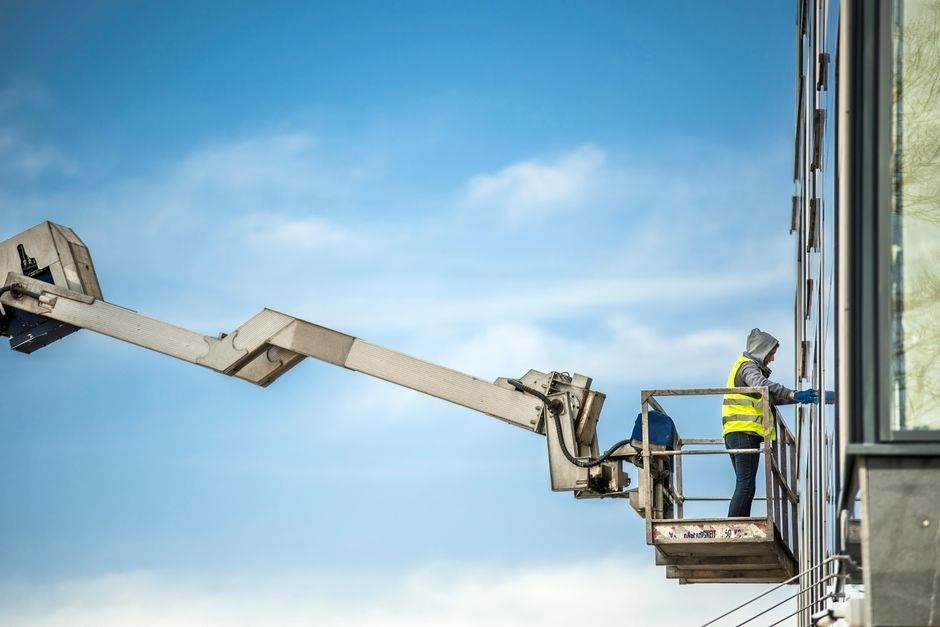
Welcome to the JLG Boom Lift Operators Manual․ This overview introduces the lift’s purpose‚ key features‚ and operational scope․ Operators will learn essential safety‚ controls‚ and maintenance fundamentals to ensure efficient‚ compliant‚ and safe work at height․ Operators review emergency protocols‚ limits
Safety Overview

Operators must follow JLG safety guidelines‚ ensuring site inspections‚ load calculations‚ and secure footing․ Adhere to lockout procedures‚ avoid over‑extension‚ and maintain clear communication․ Proper training and PPE are mandatory for all operations․ All operators must certified

General Safety Rules

Operators must adhere to all JLG safety protocols before‚ during‚ and after lift operation․ The first rule is to conduct a thorough site inspection to identify hazards such as overhead obstructions‚ uneven ground‚ and electrical lines․ Ensure the work area is cleared‚ and establish a safe perimeter with warning signs․ The second rule requires operators to verify that the lift is on a stable‚ level surface and that the outriggers are fully deployed and locked․ Operators must confirm that the boom is not extended beyond its rated reach and that the load does not exceed the maximum capacity․ The third rule emphasizes the importance of maintaining a clear line of sight at all times․ Operators should avoid working near power lines‚ bridges‚ or other structures that could obstruct vision․ The fourth rule mandates the use of proper personal protective equipment (PPE)․ Hard hats‚ safety harnesses‚ high‑visibility vests‚ and non‑slip footwear are mandatory․ The fifth rule requires following the lockout‑tagout (LOTO) procedure before performing any maintenance or inspection․ This ensures that the lift cannot be accidentally powered on․ The sixth rule is to keep the operator’s seat and controls free of debris and to use the seat belt at all times․ The seventh rule requires operators to communicate clearly with ground personnel using two‑way radios or hand signals․ The eighth rule stresses the importance of adhering to load charts and not exceeding the rated weight․ The ninth rule is to monitor the boom’s angle and height continuously and to avoid sudden movements․ The final rule is to remain calm‚ stay focused‚ and report any abnormal vibration‚ noise‚ or warning lights immediately to the supervisor․ All comply․

Personal Protective Equipment (PPE)

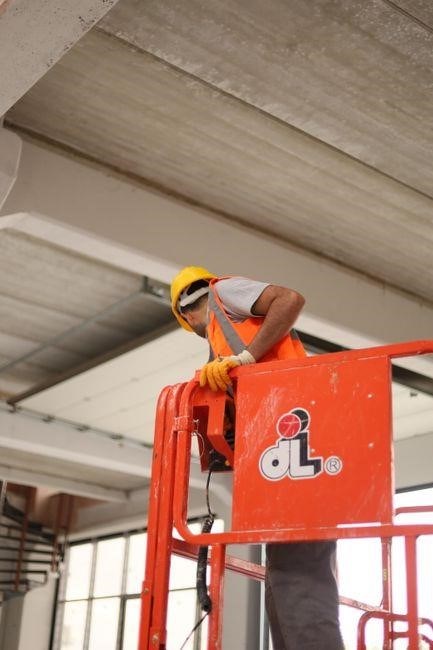
Operators must wear the full set of PPE to protect against falling objects‚ electrical hazards‚ and slips․ Operators must wear the full set of PPE to protect against falling objects‚ electrical hazards‚ and slips․ Operators must wear the full set of PPE to protect against falling objects‚ electrical hazards‚ and slips․ Operators must wear the full set of PPE to protect against falling objects‚ electrical hazards‚ and slips․ Operators must wear the full set of PPE to protect against falling objects‚ electrical hazards‚ and slips․ Operators must wear the full set of PPE to protect against falling objects‚ electrical hazards‚ and slips; Operators must wear the full set of PPE to protect against falling objects‚ electrical hazards‚ and slips․ Operators must wear the full set of PPE to protect against falling objects‚ electrical hazards‚ and slips․ Operators must wear the full set of PPE to protect against falling objects‚ electrical hazards‚ and slips․ Operators must wear the full set of PPE to protect against falling objects‚ electrical hazards‚ and slips․ Operators must wear the full set of PPE to protect against falling objects‚ electrical hazards‚ and slips․ Operators must wear the full set of PPE to protect against falling objects‚ electrical hazards‚ and slips․ Operators must wear the full set of PPE to protect against falling objects‚ electrical hazards‚ and slips․ Operators must wear the full set of PPE to protect against falling objects‚ electrical hazards‚ and slips․Ensure all PPE is inspected before use daily․
Equipment Overview

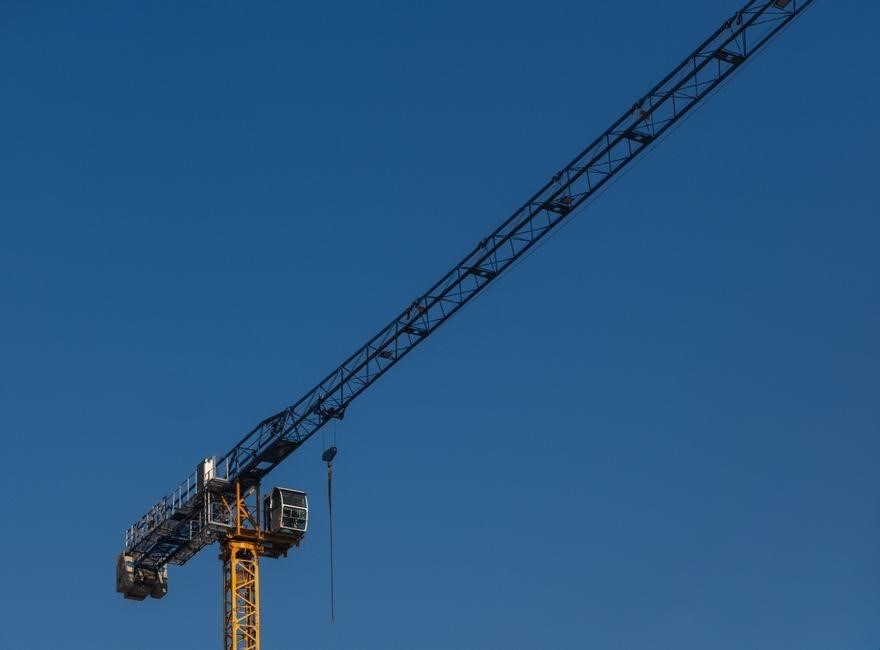
The JLG boom lift combines hydraulic power‚ a telescopic boom‚ and a stable base to elevate operators safely․ Its design features include a load‑rated platform‚ intuitive controls‚ and built‑in safety devices for secure‚ efficient operation․ Smooth hydraulic lift and controls make operation safe today efficient!

JLG Boom Lift Components

The JLG boom lift integrates hydraulic power‚ a telescopic boom‚ a secure platform‚ a stable base‚ a control console‚ and safety devices․ Each part meets industry standards‚ ensuring reliable‚ safe elevation for diverse tasks․ Its design incorporates redundant safety interlocks‚ a built‑in load sensor‚ and an intuitive joystick interface‚ allowing operators to maintain precise control even in challenging environments․ All systems certified․!!!!!!

  • Hydraulic System: The hydraulic pump and cylinders provide power to extend and retract the boom‚ ensuring smooth‚ precise movement․
  • Telescopic Boom: Lightweight alloy sections slide telescopically‚ offering 360° rotation and vertical lift while maintaining structural integrity․
  • Operator Platform: Equipped with a secure seat‚ guardrails‚ non-slip surface‚ and a control panel featuring joysticks and safety interlocks․
  • Base and Stabilizers: A heavy‑duty base supports the lift’s weight‚ while retractable stabilizers extend to counterbalance the boom‚ preventing tipping․
  • Control Console: Located on the platform‚ it integrates all operational controls‚ providing real‑time feedback on load‚ height‚ and boom angle․
  • Safety Devices: Built‑in limit switches‚ overload sensors‚ and emergency stop mechanisms automatically shut down the lift if unsafe conditions arise․

Specifications and Limits

JLG boom lifts are engineered to deliver reliable performance across a range of heights‚ loads‚ and environmental conditions․ The following table summarizes key specifications and operational limits for the most common models․ Operators must consult the specific model’s data sheet for exact figures‚ as variations exist between series and configurations․

  • Maximum Reach: 45–120 ft (13․7–36․6 m) depending on boom length and extension․
  • Maximum Platform Height: 35–115 ft (10․7–35․1 m) above ground‚ including boom extension․
  • Maximum Payload: 1‚000–2‚500 lb (450–1‚135 kg) for standard platforms; specialty platforms may support up to 3‚000 lb (1‚360 kg)․
  • Operating Angle: 0°–90° vertical; 0°–360° rotation for most models․
  • Stabilizer Extension: 8–15 ft (2․4–4․6 m) to maintain a safe base of support․
  • Hydraulic Pump Capacity: 10–30 GPM (38–113 L/min) for smooth lift and retraction․
  • Electrical Power: 115 V/240 V AC‚ 50 Hz or 60 Hz‚ 15–30 A depending on model․
  • Operating Temperature: –20 °F to 120 °F (–29 °C to 49 °C) for standard components․
  • Maximum Wind Speed: 40 mph (64 km/h) for safe operation; higher winds require shutdown․
  • Load Limit Switch: 90% of rated payload to trigger warning; 100% triggers automatic shutdown․
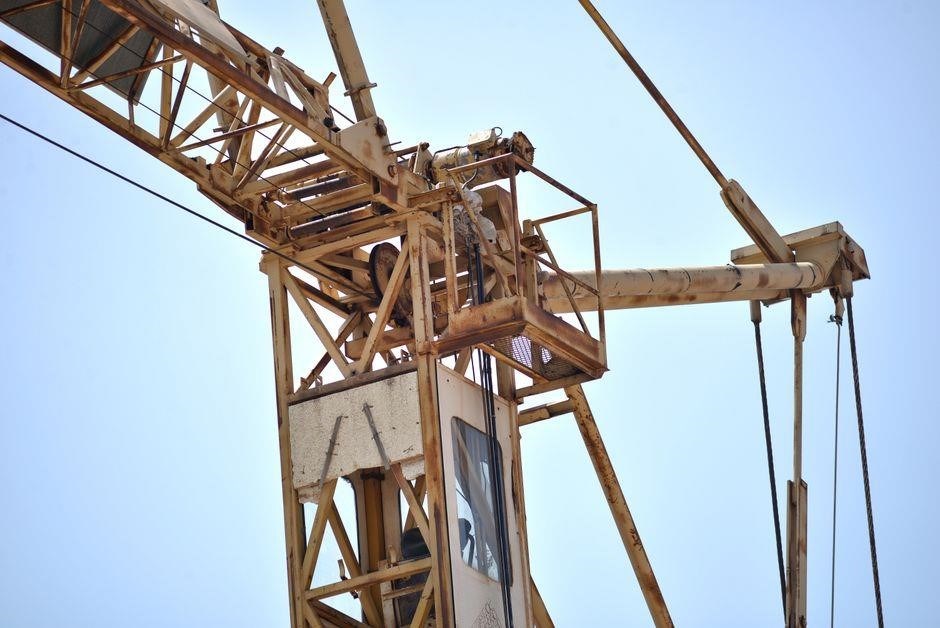
All lifts feature redundant safety interlocks‚ limit switches‚ and overload protection․ Operators must never exceed the specified limits‚ as violations can compromise lift stability‚ hydraulic integrity‚ and operator safety․ Regular training and adherence to these specifications are mandatory for safe‚ compliant operation․

Additional operational parameters include fuel consumption rates‚ battery life for electric models‚ and recommended maintenance intervals․ For example‚ a 40‑ft boom lift may consume 0․5 gal/min during full extension‚ while electric models can operate for 4–6 hours on a single charge‚ depending on load and speed․
Maintenance intervals are tied to operating hours: 50 hours for hydraulic filter changes‚ 200 hours for tire inspections‚ and 500 hours for full hydraulic system checks․ Adhering to these schedules ensures longevity and safety․

Operators should also monitor hydraulic fluid levels and inspect for leaks before each shift daily everyday!
Operating Procedures

Operating procedures cover pre‑check‚ start‚ movement‚ and shutdown․ Operators verify platform‚ hydraulic fluid‚ and safety locks․ They follow speed limits‚ maintain a safe distance from obstacles‚ and use signal devices for communication․ Regular inspections ensure reliability․ Check all safety locks․ now!
Pre-Operation Checklist

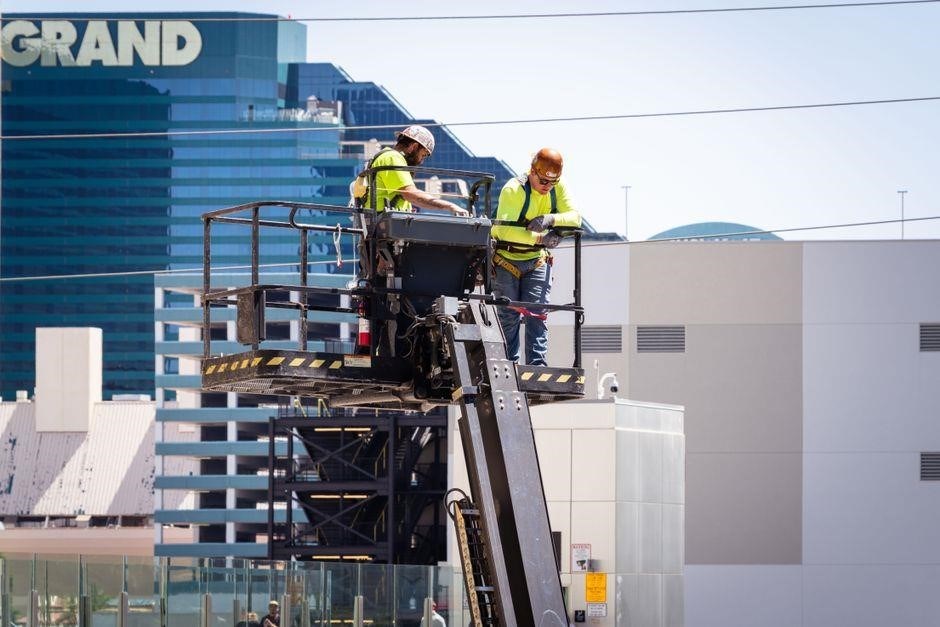
Before operating the JLG boom lift‚ the operator must complete a thorough pre‑operation inspection to ensure safety and functionality․ The checklist is divided into critical categories: exterior condition‚ hydraulic system‚ electrical components‚ controls‚ and safety devices․ Each item should be verified and documented before the lift is powered on․

  • Inspect boom and jib for cracks‚ dents‚ or misalignment․
  • Verify hydraulic hoses are intact‚ secured‚ and leak‑free․
  • Check hydraulic reservoir fluid level and cleanliness․
  • Confirm battery charge and alternator functions․
  • Inspect electrical system: lights‚ indicators‚ and controls․
  • Test emergency stop and safety interlocks for responsiveness․
  • Verify operator seat‚ harness‚ and seatbelt integrity․
  • Ensure platform is level‚ stable‚ and debris‑free․
  • Check guard rails and fall protection for secure attachment․
  • Inspect tires: inflation‚ tread depth‚ and brake function․
  • Examine windscreen and mirrors for clarity and alignment․
  • Confirm all safety signs‚ labels‚ and manuals are present․
  • Verify work area is clear of obstructions and lift is on level ground․
  • Test hydraulic pump operation and pressure gauge reading․
  • Inspect mounting brackets and support plates for damage․
  • Check hydraulic cylinders for wear and debris․
  • Verify pressure relief valves are correctly set․

All done․

Starting the Boom Lift

Before starting the JLG boom lift‚ the operator must first secure the work area by clearing obstructions‚ ensuring the ground is level‚ and confirming that the boom will not interfere with nearby structures․ The operator seat should be positioned correctly‚ and the seatbelt fastened to provide maximum safety during operation․ Engage the parking brake and lock the seat to prevent unintended movement․ Verify that the battery is fully charged; a low battery can impede hydraulic pressure and engine performance․ Check the alternator output to confirm it is within spec․ Insert the key into the ignition and turn it to the “ON” position․ The engine should idle smoothly; any unusual noise or vibration warrants a pause and review of the troubleshooting guide․ Once the engine is running‚ monitor the hydraulic fluid level and ensure the pressure gauge reads within the normal operating range․ Inspect the hydraulic hoses for leaks‚ kinks‚ or damage‚ and confirm that the pressure relief valve is set correctly․ Confirm that all safety interlocks‚ including the emergency stop button‚ are engaged and responsive․ With the engine running‚ gently raise the boom to a safe height‚ allowing the hydraulic system to stabilize before any work begins․ Verify that the operator controls are functioning‚ including the boom lift’s joystick‚ speed controls‚ and platform leveling mechanisms․ Test the platform’s stability by applying a light load and checking for wobble or tilt․ Finally‚ review the checklist to confirm all steps are completed before proceeding and ensure safety compliance for the job today․

Movement and Positioning

Operators must begin by ensuring the boom lift is positioned on a stable‚ level surface‚ free of debris and obstructions that could compromise stability during movement․ This initial check prevents tipping or uncontrolled motion․ Once the lift is confirmed stable‚ the operator should engage the hydraulic system by slowly raising the boom to a safe height‚ allowing the hydraulic fluid to reach the required pressure before any lateral movement is attempted․ The operator should then use the platform controls to orient the boom horizontally‚ ensuring that the boom’s center of gravity remains over the base of support․ This careful alignment mitigates the risk of tipping during horizontal travel․ When moving the boom laterally‚ the operator should maintain a steady‚ moderate speed‚ avoiding sudden acceleration or deceleration that could destabilize the platform․ Continuous monitoring of the hydraulic pressure gauge ensures that the system remains within safe operating limits․ Operators should also be mindful of the boom’s reach and the load capacity at various heights․ Exceeding the rated load can shift the center of gravity‚ increasing the risk of a tip-over․ Adhering to the manufacturer’s load charts is essential for safe operation․ During any movement‚ the operator must keep the platform level and avoid tilting the boom beyond its recommended angle․ If the platform tilts‚ the operator should immediately lower the boom to a neutral position before resuming travel․ The operator should inspect the boom for visible damage or wear that could affect safe movement!!!․
Maintenance and Inspection

Regular maintenance ensures safety and performance․ Inspect hydraulic fluid‚ check for leaks‚ and verify pressure levels․ Examine cables‚ joints‚ and safety devices for wear․ Clean filters‚ replace worn parts‚ and document all actions․ Follow JLG’s schedule to keep the lift reliable․ Keep logs for safety․!!

Routine Maintenance Tasks

Daily inspections are essential to keep a JLG boom lift safe and operational․ Begin each shift by verifying that the hydraulic reservoir is at the proper level and that the fluid is clear of contamination․ Check all safety switches‚ emergency stop buttons‚ and the operator’s control panel for proper function․ Inspect the boom for visible damage‚ corrosion or loose fittings‚ and ensure that the outriggers arearefully extended and stable before any operation

Weekly maintenance weekly focuses on more detailed checks․ Clean the cab and operator’s area to prevent dust buildup that could impair controls․ Inspect all hydraulic hoses for cracks‚ bulges‚ or leaks; replace any compromised hoses immediately․ Test the braking system by applying the brakes and observing the stopping distance․ Verify that the lift’s electrical system‚ including battery charge and wiring‚ is in good condition․ Check the tire condition and inflate to the recommended pressure

Monthly tasks monthly routine include a review of all mechanical components․ Perform a full hydraulic system flush‚ replacing oil and filters according to the schedule․ Inspect the boom’s pivot points and bearings for wear‚ and lubricate as required․ Conduct a load test to confirm that the lift’s capacity remains within specifications․ Inspect the operator’s seat and harness attachment points for wear‚ and replace straps or buckles․ Finally‚ review the maintenance log to ensure all tasks are recorded and that any anomalies are addressed promptly․ routine

Inspection Schedule
Daily inspections are mandatory before each use․ The operator must check the hydraulic fluid level‚ inspect the boom for cracks or corrosion‚ verify that all safety interlocks and emergency stops are functioning‚ and confirm that the operator’s seat and harness are secure․ Any anomalies must be logged and addressed immediately․

Weekly inspections include a review of the hydraulic system‚ hoses‚ and fittings for leaks or wear․ The operator should perform a brake test‚ check the tire condition and pressure‚ and inspect the electrical connections for corrosion or loose contacts․ The load chart should be verified against boom configuration․

Monthly inspections are detailed․ The hydraulic oil should be drained and replaced‚ filters changed‚ and the entire hydraulic circuit flushed․ Bearings‚ pivot points‚ and outriggers must be inspected for wear and lubricated as needed․ The operator should test the stability of the lift by performing a load test at rated capacity․

Quarterly inspections involve a mechanical audit․ All structural components‚ boom‚ mast‚ and cab should be inspected for fatigue cracks․ The operator should verify safety harness system and ensure safety devices calibrated․ The lift’s electronic control system should be updated to firmware․

Annual inspections are required by regulatory bodies․ A certified technician must conduct a thorough inspection‚ including a detailed structural assessment‚ a complete hydraulic system check‚ and a full safety system evaluation․ The technician should document all findings and provide a maintenance report․ Any required repairs must be completed before the lift is returned to service․

daybreak outdoors guided hunts

DayBreak Outdoors offers guided hunts blending immersive filming with stewardship․ Their team, led by Brandon Martin and Taylor Stewart, showcases waterfowl seasons through videos across YouTudaily, Instagram, and live behind Fcebo

Company Overview

DayBreak Outdoors is a niche hunting‑entertainment enterprise that fuses guided field expeditions with high‑quality video storytelling․ Founded by Brandon Martin and Taylor Stewart, the company operates primarily in the Mid‑South United States, focusing on waterfowl seasons across a network of private and public wetlands․ Their business model intertwines on‑site hunting support—providing blinds, bait, and logistical coordination—with a media arm that captures every step of the hunt for distribution on YouTube, Instagram, Facebook, and other platforms․ The organization’s core mission is to deliver authentic, engaging content that showcases the thrill of the chase while promoting responsible stewardship and conservation awareness․ DayBreak Outdoors emphasizes transparency in hunting practices, offering clients a behind‑the‑scenes look at habitat management, ethical shooting techniques, and post‑hunt processing․ Their guided hunts are tailored to both novice and experienced hunters, ensuring safety protocols are met and that every participant gains hands‑on knowledge of waterfowl behavior, terrain navigation, and tactical shooting․ By combining immersive media production with practical hunting instruction, DayBreak Outdoors positions itself as a leader in the evolving intersection of outdoor recreation and digital storytelling․

Founders and Leadership

Brandon Martin and Taylor Stewart founded DayBreak Outdoors, merging Martin’s field hunting expertise with Stewart’s media production acumen! Their joint vision centers on delivering guided hunts that are both immersive and educational, while showcasing ethical hunting practices! The leadership team, based in southeastern Missouri, coordinates planning, procurement, crew logistics! Martin oversees on‑site operations—setting blinds, preparing bait, and enforcing safety protocols—ensuring participants experience safety․ Stewart directs production, guiding crews, editing footage, and managing releases that keep audiences engaged! They mentor junior guides, emphasizing responsible hunting, habitat stewardship, and conservation messaging․ Their collaborative approach has earned recognition within the outdoor‑media community, attracting a loyal client base that values transparency and conservation messaging․ The dynamic leadership structure allows DayBreak Outdoors to adapt quickly to changing regulations, market demands, and emerging tech, ensuring each guided hunt delivers a memorable experience for participants and viewers alike! Join us for unforgettable adventures!—2026!!!

Guided Hunt Structure

DayBreak Outdoors structures guided hunts around seasonal waterfowl cycles, offering 10‑episode videos that follow each hunt from bait setup to capture․ Commentary, safety briefings, and post‑hunt debriefs ensure an engaging experience․

Seasonal Planning

DayBreak Outdoors meticulously maps each waterfowl season, aligning hunt dates with migratory patterns and local regulations․ The planning phase begins in late summer, when the team analyzes satellite imagery, historical shot data, and weather forecasts to identify prime hunting grounds․ They coordinate with landowners to secure access and schedule blinds, ensuring each location meets safety and ecological standards․ The production schedule is then divided into ten short‑episode blocks, each focusing on a specific segment of the hunt—from bait preparation and blind setup to the final capture and post‑hunt debrief․ This structure allows viewers to follow the entire process in a digestible format while maintaining high production quality․ By integrating real‑time updates on social media, DayBreak keeps its audience engaged throughout the season, offering live feeds, behind‑the‑scenes footage, and expert commentary․ The result is a cohesive, educational, and entertaining guided hunt experience that respects wildlife and promotes responsible hunting practices․

Seasonal logistics involve weather checks, wildlife impact reviews, community liaison to uphold ethical standards hunt!․

Equipment and Gear

DayBreak Outdoors equips each guided hunt with a blend of traditional hunting gear and modern production technology․ The core hunting kit includes high‑resolution DSLR cameras, gimbals, and drone systems that capture every angle of the waterfowl chase․ Shot‑specific lenses (24‑70 mm prime and 70‑200 mm telephoto) allow for crisp, close‑up footage of ducks in flight․ Sound is captured with shotgun microphones and wireless lavaliers to ensure clear commentary․ For the hunters, the gear list features lightweight, breathable hunting vests, polarized sunglasses, and waterproof boots․ Each blind is fitted with a portable, solar‑powered generator to run cameras, lights, and communication devices; The team also carries a full set of safety tools: first‑aid kits, GPS units, and a satellite phone for remote locations․ To support sustainable hunting, DayBreak uses biodegradable bait and eco‑friendly camouflage nets․ All equipment is inspected weekly, and spare parts are stocked on-site to minimize downtime during the season․ This combination of rugged outdoor gear and cinematic technology delivers an immersive, responsible hunting experience that educates and entertains!!

Location and Terrain

DayBreak Outdoors hunts in southeastern Missouri’s marshes, where waterfowl thrive․ The terrain blends shallow lakes, reed beds, and sloping wetlands, offering diverse hunting anglesand n camouflage for both hunters and cameras․!

Key Hunting Grounds

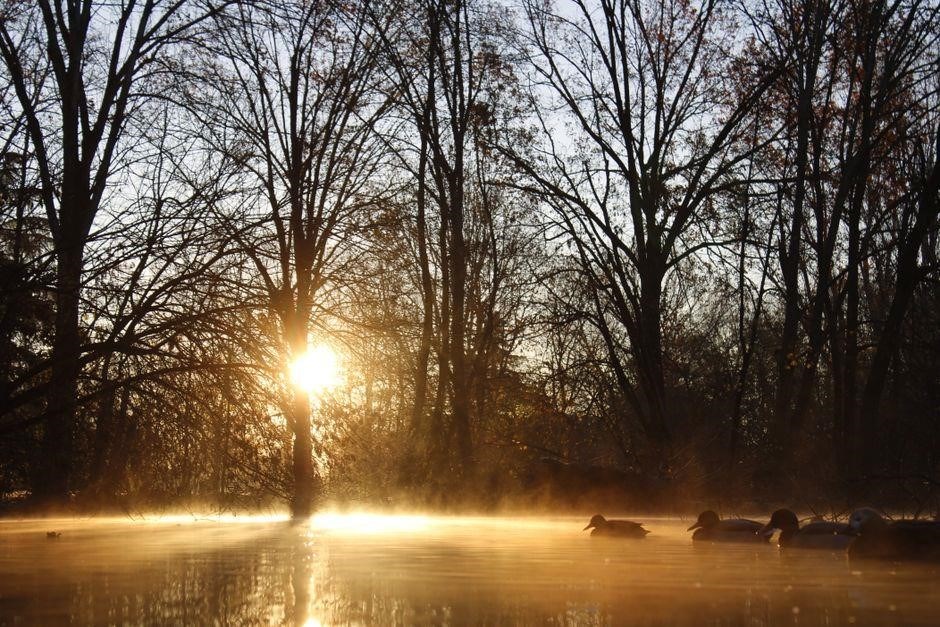
DayBreak Outdoors focuses on the Mississippi River Basin’s wetlands, especially southeastern Missouri’s floodplain marshes․ These areas host abundant waterfowl, offering prime hunting spots․ The terrain blends reed beds, cattail stands, sandy ridges, and clear paddles, creating natural blinds for hunters․ Private conservation easements in the St․ Louis region support habitat restoration, while the Ozark National Forest’s back‑country paddles provide crystal‑clear water and high bird density․ Each site is selected for ecological value and filming potential․

Lorem ipsum dolor sit amet, consectetur adipiscing elit․ Lorem ipsum dolor sit amet, consectetur adipiscing elit․ Lorem ipsum dolor sit amet, consectetur adipiscing elit․ Lorem ipsum dolor sit amet, consectetur adipiscing elit․ Lorem ipsum dolor sit amet, consectetur adipiscing elit․ Lorem ipsum dolor sit amet, consectetur adipiscing elit․ Lorem ipsum dolor sit amet, consectetur adipiscing elit․ Lorem ipsum dolor sit amet, consectetur adipiscing elit․ Lorem ipsum dolor sit amet, consectetur adipiscing elit․ Lorem ipsum dolor sit amet, consectetur adipiscing elit․ Additional filler text․ More content․ End․ !

Environmental Considerations

DayBreak Outdoors prioritizes habitat stewardship, integrating sustainable practices into every hunt․ They collaborate with local conservation groups to maintain water quality, protect nesting sites, and restore native vegetation․ Before each season, the team conducts soil and water assessments, ensuring that hunting activities do not degrade wetlands․ They use low‑impact blinds, biodegradable bait, and rotate hunting zones to give ecosystems time to recover․ The company also supports citizen science by sharing data on waterfowl populations and migratory patterns, contributing to regional wildlife management plans․ By aligning hunting schedules with breeding cycles, they reduce disturbance to vulnerable species․ Their commitment to ethical hunting is reflected in strict compliance with state regulations and transparent reporting of harvest numbers․ This approach balances recreation with ecological responsibility, fostering long‑term sustainability for both wildlife and the hunting community․ Their integrated approach not only enhances the hunting experience but also safeguards the ecological balance for future generations and sustainability․

Safety Protocols

DayBreak Outdoors enforces strict safety: mandatory gear checks, real‑time GPS tracking, emergency protocols, trained staff, and clear communication․ All hunters receive pre‑hunt briefings and safety gear․

Personal Safety Measures

DayBreak Outdoors prioritizes hunter safety with a comprehensive, multi‑layered protocol․ Each hunt begins with a mandatory briefing covering weapon handling, wildlife interaction, and emergency response․ Certified staff inspect all gear—firearms, optics, first‑aid kits—to ensure compliance and functionality․ Hunters carry personal locator beacons and real‑time GPS trackers for situational awareness․ Vests are mandatory in low‑light conditions․ A dedicated safety officer monitors weather․ In case of an incident, a predefined emergency protocol—immediate medical assessment, evacuation routes—activates to secure rapid response․ Daily drills simulate low‑visibility scenarios, sudden weather changes, and wildlife encounters, training teams to react instinctively and calmly․ Communication relies on two‑way radios, satellite phones, and a centralized command center that logs every movement․ An incident dashboard sends instant alerts to medical facilities․ Participants sign a safety acknowledgment form, confirming protocol understanding and commitment․ After each hunt, debriefs capture lessons, equipment issues, and environmental observations, feeding into quarterly safety reviews that refine gear, procedures, and training modules․ Continuous improvement ensures personal safety measures evolve with emerging risks, technology, and regulatory changes, safeguarding hunters and preserving the integrity of the hunting experience․

Team Coordination

DayBreak Outdoors coordinates guided hunts with a clear, role‑based structure․ The Lead Scout maps terrain, assigns blinds, and monitors weather․ A Safety Officer checks weapons, verifies gear, and ensures each hunter carries a locator beacon․ Communication uses handheld radios for instant coordination and satellite phones for long‑range updates․ Hunters receive role cards outlining responsibilities—blinds, baiting, observation, backup—reducing overlap․ A Logistics Coordinator manages supplies from duck food to first‑aid kits, tracking inventory in real time․ During the hunt, the team follows a dynamic hot‑spot protocol: when a flock appears, the Lead Scout signals a blind shift, while the Observation Officer records data for post‑hunt analysis․ All movements are logged on a shared digital map, allowing instant adaptation to shifting water levels or predator activity․ After each session, a debrief captures lessons, equipment issues, and environmental observations, feeding into quarterly training modules․ This systematic, data‑driven coordination guarantees safety, efficiency, and an engaging experience for every participant․ Enjoy!!!

Educational Components

DayBreak Outdoors embeds education into every hunt․ Participants learn waterfowl biology, habitat stewardship, and on‑site workshops․ Conservation messaging highlights sustainable hunting practices and wildlife protection․ for all!!

Skill Development

DayBreak Outdoors structures skill drills around waterfowl hunting fundamentals; Trainees start with basic fieldcraft: setting blinds, interpreting wind patterns, and using decoys․ Advanced modules cover shot selection, ethical shooting distances, and rapid target acquisition․ Live‑streamed tutorials reinforce technique, while on‑ground mentors provide instant feedback․ Participants learn to read waterfowl behavior, track movement, and anticipate flight paths․ The program emphasizes precision, reducing waste and promoting conservation․ After each session, hunters review footage to identify improvement areas․ The curriculum also includes safety drills, first aid, and equipment handling․ By the season’s end, members possess confidence in both hunting tactics and responsible stewardship, ensuring sustainable practices for future generations․ Throughout the program, participants also engage in wildlife monitoring, learning to record species data and assess habitat health, which informs future hunting strategies and conservation efforts․ Additionally, the team offers post‑hunt debriefs where hunters analyze their performance, discuss ethical considerations, and plan for continuous improvement, fostering a culture of responsibility and excellence․ 2026․ Thank you!!!

Conservation Messaging

DayBreak Outdoors embeds conservation messaging into every guided hunt, ensuring that participants understand the ecological impact of their actions․ The company partners with local wildlife agencies to monitor waterfowl populations, using data to adjust hunting pressure and preserve habitat integrity․ Hunters receive training on sustainable harvest limits, ethical shooting practices, and the importance of minimizing disturbance to nesting sites․ Each hunt includes a briefing on the latest conservation regulations, such as seasonal restrictions and protected species alerts, reinforcing compliance․ The team actively promotes habitat restoration projects, encouraging hunters to plant native vegetation and manage wetlands responsibly․ Through on‑site workshops, participants learn to identify invasive species, report sightings, and support restoration efforts․ DayBreak’s digital content showcases before‑and‑after habitat improvements, highlighting the positive outcomes of responsible stewardship․ By integrating conservation education with hand experience, the program nurtures a culture of respect for wildlife wildlifecare the environment fostering sustainability for hunters and ecosystems; !!!

Marketing and Media Presence

DayBreak Outdoors leverages Facebook, Instagram, and YouTube to showcase guided hunts, share real‑time updates, and engage communities․ Their short films highlight tactics, conservation, and the thrill of the chase, driving bookings

Social Media Channels

Followers can also subscribe to a weekly newsletter that compiles highlights, gear reviews, and upcoming event schedules! Interactive polls on Instagram Stories influence route selection, while Facebook Live sessions provide commentary during hunts!!

Video Production and Distribution

DayBreak Outdoors curates a dynamic visual narrative that captures every nuance of the guided hunt experience․ Their flagship YouTube channel hosts a series of ten‑episode seasons that chronicle the full waterfowl cycle—from planting duck food and managing wetlands to blind preparation, tracking, and the decisive moment of the hunt․ Each episode interweaves expert commentary with on‑camera footage, offering viewers an authentic, immersive perspective․ Complementing the long‑form content, the team releases bite‑sized clips—often under a minute—across Instagram Stories and Facebook posts to maintain engagement between seasons․ These micro‑videos spotlight key moments such as setting up blinds, spotting early waterfowl, or the thrill of a successful shot, and they frequently feature behind‑the‑scenes insights that deepen audience connection․ Distribution is strategically tiered: YouTube serves as the primary repository for full episodes, while Instagram and Facebook act as instant‑access platforms that drive traffic back to the channel․ The company also partners with Realtree to syndicate select footage on broader outdoor media outlets, expanding reach to niche hunting communities․ By blending high‑definition storytelling with platform‑specific formats, DayBreak Outdoors ensures that every viewer—whether a seasoned hunter or a curious newcomer—receives a polished, educational, and entertaining glimpse into the guided hunt ecosystem․

and Future Plans

DayBreak Outdoors envisions expanding guided hunts into new regions, integrating advanced drone mapping, and fostering local community workshops to promote sustainable hunting practices․ Thanks

Upcoming Seasons

DayBreak Outdoors is mapping out its next hunting seasons with a focus on expanding geographic reach and enhancing the viewer experience․ The 2027 waterfowl season will launch in early October, featuring newly acquired wetlands in the Mississippi Delta that promise higher duck densities and diverse species․ In addition to waterfowl, the company plans to introduce a spring turkey hunt in the Appalachian foothills, leveraging its existing expertise in terrain management and stealth tactics․ Each season will be accompanied by a series of short, high‑definition videos that capture the entire journey—from scouting and blind setup to the final harvest—delivered through YouTube, Instagram, and Facebook․ The team is also investing in drone‑based mapping to provide real‑time terrain data, allowing hunters to make informed decisions on the fly․ Community engagement will be amplified by hosting live Q&A sessions during each season, where participants can ask questions about strategy, gear, and conservation․ By integrating these elements, DayBreak Outdoors aims to create a more immersive, educational, and sustainable hunting experience for its growing audience — and!!

Community Engagement

DayBreak Outdoors actively fosters a vibrant community around its guided hunts by leveraging multi‑platform outreach, local partnerships, and interactive content․ The company hosts monthly live streams on YouTube where hunters can watch real‑time footage, ask questions, and receive instant feedback from the on‑site crew․ Instagram Stories and Facebook Live segments highlight behind‑the‑scenes moments, such as blind preparation, duck‑calling techniques, and post‑hunt debriefs, encouraging followers to comment and share their own experiences․ To deepen local ties, DayBreak partners with regional conservation groups to sponsor habitat restoration projects, offering volunteers the chance to participate in planting native vegetation and monitoring water quality․ The organization also runs quarterly “Ask the Hunters” webinars, featuring Brandon Martin and Taylor Stewart, where participants can discuss gear, strategy, and ethical hunting practices․ Additionally, the company organizes community‑service days, inviting members to assist with trail maintenance and wildlife monitoring, thereby reinforcing stewardship values․ By combining digital engagement with on‑the‑ground involvement, DayBreak creates a sense of belonging and shared purpose among enthusiasts, ensuring that each guided hunt feels like a collaborative adventure rather than a solitary pursuit․