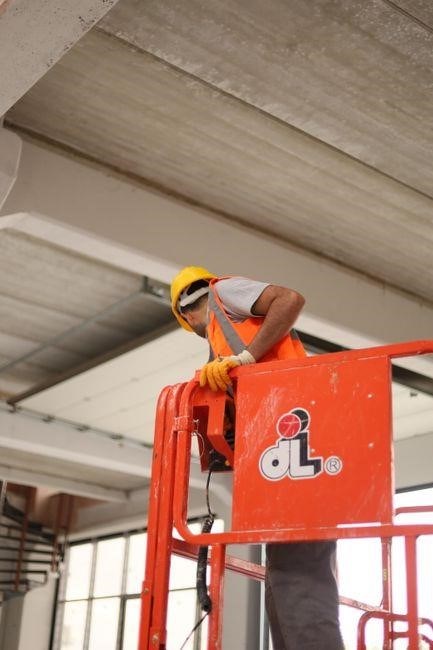
JLG Boom Lift Operators Manual: Overview
Welcome to the JLG Boom Lift Operators Manual․ This overview introduces the lift’s purpose‚ key features‚ and operational scope․ Operators will learn essential safety‚ controls‚ and maintenance fundamentals to ensure efficient‚ compliant‚ and safe work at height․ Operators review emergency protocols‚ limits
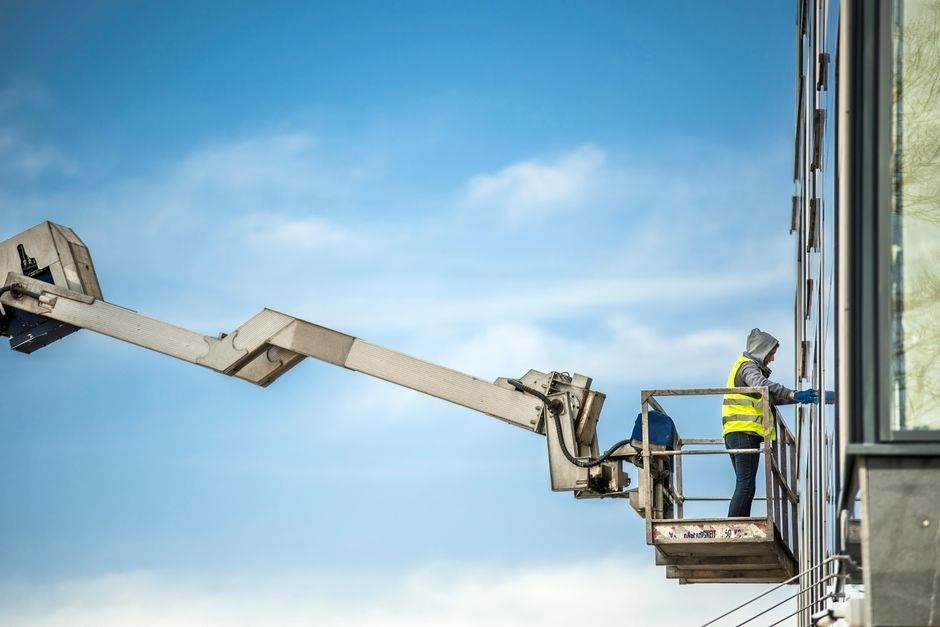
Safety Overview
Operators must follow JLG safety guidelines‚ ensuring site inspections‚ load calculations‚ and secure footing․ Adhere to lockout procedures‚ avoid over‑extension‚ and maintain clear communication․ Proper training and PPE are mandatory for all operations․ All operators must certified
General Safety Rules
Operators must adhere to all JLG safety protocols before‚ during‚ and after lift operation․ The first rule is to conduct a thorough site inspection to identify hazards such as overhead obstructions‚ uneven ground‚ and electrical lines․ Ensure the work area is cleared‚ and establish a safe perimeter with warning signs․ The second rule requires operators to verify that the lift is on a stable‚ level surface and that the outriggers are fully deployed and locked․ Operators must confirm that the boom is not extended beyond its rated reach and that the load does not exceed the maximum capacity․ The third rule emphasizes the importance of maintaining a clear line of sight at all times․ Operators should avoid working near power lines‚ bridges‚ or other structures that could obstruct vision․ The fourth rule mandates the use of proper personal protective equipment (PPE)․ Hard hats‚ safety harnesses‚ high‑visibility vests‚ and non‑slip footwear are mandatory․ The fifth rule requires following the lockout‑tagout (LOTO) procedure before performing any maintenance or inspection․ This ensures that the lift cannot be accidentally powered on․ The sixth rule is to keep the operator’s seat and controls free of debris and to use the seat belt at all times․ The seventh rule requires operators to communicate clearly with ground personnel using two‑way radios or hand signals․ The eighth rule stresses the importance of adhering to load charts and not exceeding the rated weight․ The ninth rule is to monitor the boom’s angle and height continuously and to avoid sudden movements․ The final rule is to remain calm‚ stay focused‚ and report any abnormal vibration‚ noise‚ or warning lights immediately to the supervisor․ All comply․
Personal Protective Equipment (PPE)
Operators must wear the full set of PPE to protect against falling objects‚ electrical hazards‚ and slips․ Operators must wear the full set of PPE to protect against falling objects‚ electrical hazards‚ and slips․ Operators must wear the full set of PPE to protect against falling objects‚ electrical hazards‚ and slips․ Operators must wear the full set of PPE to protect against falling objects‚ electrical hazards‚ and slips․ Operators must wear the full set of PPE to protect against falling objects‚ electrical hazards‚ and slips․ Operators must wear the full set of PPE to protect against falling objects‚ electrical hazards‚ and slips; Operators must wear the full set of PPE to protect against falling objects‚ electrical hazards‚ and slips․ Operators must wear the full set of PPE to protect against falling objects‚ electrical hazards‚ and slips․ Operators must wear the full set of PPE to protect against falling objects‚ electrical hazards‚ and slips․ Operators must wear the full set of PPE to protect against falling objects‚ electrical hazards‚ and slips․ Operators must wear the full set of PPE to protect against falling objects‚ electrical hazards‚ and slips․ Operators must wear the full set of PPE to protect against falling objects‚ electrical hazards‚ and slips․ Operators must wear the full set of PPE to protect against falling objects‚ electrical hazards‚ and slips․ Operators must wear the full set of PPE to protect against falling objects‚ electrical hazards‚ and slips․Ensure all PPE is inspected before use daily․
Equipment Overview
The JLG boom lift combines hydraulic power‚ a telescopic boom‚ and a stable base to elevate operators safely․ Its design features include a load‑rated platform‚ intuitive controls‚ and built‑in safety devices for secure‚ efficient operation․ Smooth hydraulic lift and controls make operation safe today efficient!
JLG Boom Lift Components
The JLG boom lift integrates hydraulic power‚ a telescopic boom‚ a secure platform‚ a stable base‚ a control console‚ and safety devices․ Each part meets industry standards‚ ensuring reliable‚ safe elevation for diverse tasks․ Its design incorporates redundant safety interlocks‚ a built‑in load sensor‚ and an intuitive joystick interface‚ allowing operators to maintain precise control even in challenging environments․ All systems certified․!!!!!!
- Hydraulic System: The hydraulic pump and cylinders provide power to extend and retract the boom‚ ensuring smooth‚ precise movement․
- Telescopic Boom: Lightweight alloy sections slide telescopically‚ offering 360° rotation and vertical lift while maintaining structural integrity․
- Operator Platform: Equipped with a secure seat‚ guardrails‚ non-slip surface‚ and a control panel featuring joysticks and safety interlocks․
- Base and Stabilizers: A heavy‑duty base supports the lift’s weight‚ while retractable stabilizers extend to counterbalance the boom‚ preventing tipping․
- Control Console: Located on the platform‚ it integrates all operational controls‚ providing real‑time feedback on load‚ height‚ and boom angle․
- Safety Devices: Built‑in limit switches‚ overload sensors‚ and emergency stop mechanisms automatically shut down the lift if unsafe conditions arise․
Specifications and Limits
JLG boom lifts are engineered to deliver reliable performance across a range of heights‚ loads‚ and environmental conditions․ The following table summarizes key specifications and operational limits for the most common models․ Operators must consult the specific model’s data sheet for exact figures‚ as variations exist between series and configurations․
- Maximum Reach: 45–120 ft (13․7–36․6 m) depending on boom length and extension․
- Maximum Platform Height: 35–115 ft (10․7–35․1 m) above ground‚ including boom extension․
- Maximum Payload: 1‚000–2‚500 lb (450–1‚135 kg) for standard platforms; specialty platforms may support up to 3‚000 lb (1‚360 kg)․
- Operating Angle: 0°–90° vertical; 0°–360° rotation for most models․
- Stabilizer Extension: 8–15 ft (2․4–4․6 m) to maintain a safe base of support․
- Hydraulic Pump Capacity: 10–30 GPM (38–113 L/min) for smooth lift and retraction․
- Electrical Power: 115 V/240 V AC‚ 50 Hz or 60 Hz‚ 15–30 A depending on model․
- Operating Temperature: –20 °F to 120 °F (–29 °C to 49 °C) for standard components․
- Maximum Wind Speed: 40 mph (64 km/h) for safe operation; higher winds require shutdown․
- Load Limit Switch: 90% of rated payload to trigger warning; 100% triggers automatic shutdown․
All lifts feature redundant safety interlocks‚ limit switches‚ and overload protection․ Operators must never exceed the specified limits‚ as violations can compromise lift stability‚ hydraulic integrity‚ and operator safety․ Regular training and adherence to these specifications are mandatory for safe‚ compliant operation․
Additional operational parameters include fuel consumption rates‚ battery life for electric models‚ and recommended maintenance intervals․ For example‚ a 40‑ft boom lift may consume 0․5 gal/min during full extension‚ while electric models can operate for 4–6 hours on a single charge‚ depending on load and speed․
Maintenance intervals are tied to operating hours: 50 hours for hydraulic filter changes‚ 200 hours for tire inspections‚ and 500 hours for full hydraulic system checks․ Adhering to these schedules ensures longevity and safety․
Operators should also monitor hydraulic fluid levels and inspect for leaks before each shift daily everyday!
Operating Procedures
Operating procedures cover pre‑check‚ start‚ movement‚ and shutdown․ Operators verify platform‚ hydraulic fluid‚ and safety locks․ They follow speed limits‚ maintain a safe distance from obstacles‚ and use signal devices for communication․ Regular inspections ensure reliability․ Check all safety locks․ now!
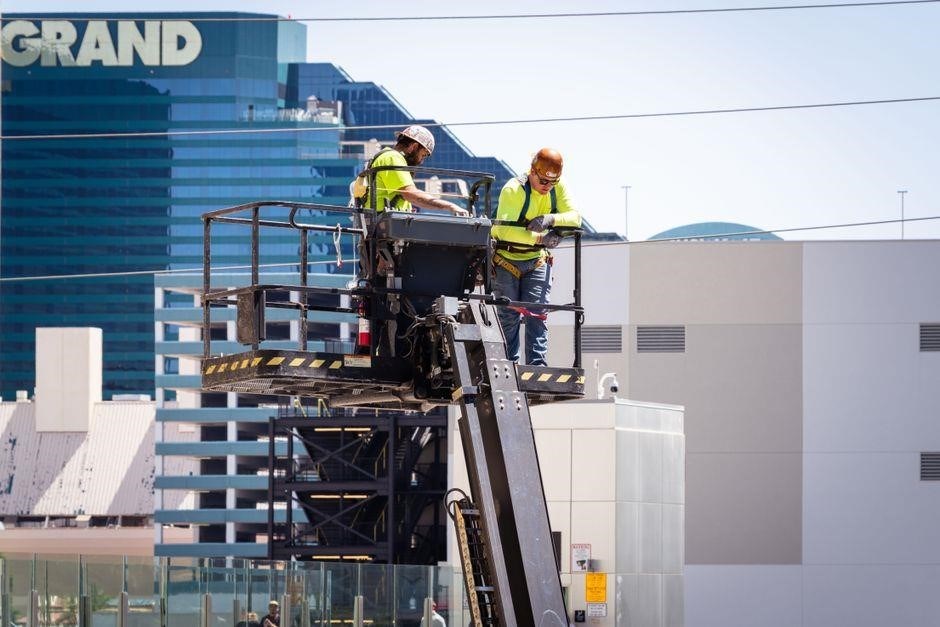
Pre-Operation Checklist
Before operating the JLG boom lift‚ the operator must complete a thorough pre‑operation inspection to ensure safety and functionality․ The checklist is divided into critical categories: exterior condition‚ hydraulic system‚ electrical components‚ controls‚ and safety devices․ Each item should be verified and documented before the lift is powered on․
- Inspect boom and jib for cracks‚ dents‚ or misalignment․
- Verify hydraulic hoses are intact‚ secured‚ and leak‑free․
- Check hydraulic reservoir fluid level and cleanliness․
- Confirm battery charge and alternator functions․
- Inspect electrical system: lights‚ indicators‚ and controls․
- Test emergency stop and safety interlocks for responsiveness․
- Verify operator seat‚ harness‚ and seatbelt integrity․
- Ensure platform is level‚ stable‚ and debris‑free․
- Check guard rails and fall protection for secure attachment․
- Inspect tires: inflation‚ tread depth‚ and brake function․
- Examine windscreen and mirrors for clarity and alignment․
- Confirm all safety signs‚ labels‚ and manuals are present․
- Verify work area is clear of obstructions and lift is on level ground․
- Test hydraulic pump operation and pressure gauge reading․
- Inspect mounting brackets and support plates for damage․
- Check hydraulic cylinders for wear and debris․
- Verify pressure relief valves are correctly set․
All done․
Starting the Boom Lift
Before starting the JLG boom lift‚ the operator must first secure the work area by clearing obstructions‚ ensuring the ground is level‚ and confirming that the boom will not interfere with nearby structures․ The operator seat should be positioned correctly‚ and the seatbelt fastened to provide maximum safety during operation․ Engage the parking brake and lock the seat to prevent unintended movement․ Verify that the battery is fully charged; a low battery can impede hydraulic pressure and engine performance․ Check the alternator output to confirm it is within spec․ Insert the key into the ignition and turn it to the “ON” position․ The engine should idle smoothly; any unusual noise or vibration warrants a pause and review of the troubleshooting guide․ Once the engine is running‚ monitor the hydraulic fluid level and ensure the pressure gauge reads within the normal operating range․ Inspect the hydraulic hoses for leaks‚ kinks‚ or damage‚ and confirm that the pressure relief valve is set correctly․ Confirm that all safety interlocks‚ including the emergency stop button‚ are engaged and responsive․ With the engine running‚ gently raise the boom to a safe height‚ allowing the hydraulic system to stabilize before any work begins․ Verify that the operator controls are functioning‚ including the boom lift’s joystick‚ speed controls‚ and platform leveling mechanisms․ Test the platform’s stability by applying a light load and checking for wobble or tilt․ Finally‚ review the checklist to confirm all steps are completed before proceeding and ensure safety compliance for the job today․
Movement and Positioning
Operators must begin by ensuring the boom lift is positioned on a stable‚ level surface‚ free of debris and obstructions that could compromise stability during movement․ This initial check prevents tipping or uncontrolled motion․ Once the lift is confirmed stable‚ the operator should engage the hydraulic system by slowly raising the boom to a safe height‚ allowing the hydraulic fluid to reach the required pressure before any lateral movement is attempted․ The operator should then use the platform controls to orient the boom horizontally‚ ensuring that the boom’s center of gravity remains over the base of support․ This careful alignment mitigates the risk of tipping during horizontal travel․ When moving the boom laterally‚ the operator should maintain a steady‚ moderate speed‚ avoiding sudden acceleration or deceleration that could destabilize the platform․ Continuous monitoring of the hydraulic pressure gauge ensures that the system remains within safe operating limits․ Operators should also be mindful of the boom’s reach and the load capacity at various heights․ Exceeding the rated load can shift the center of gravity‚ increasing the risk of a tip-over․ Adhering to the manufacturer’s load charts is essential for safe operation․ During any movement‚ the operator must keep the platform level and avoid tilting the boom beyond its recommended angle․ If the platform tilts‚ the operator should immediately lower the boom to a neutral position before resuming travel․ The operator should inspect the boom for visible damage or wear that could affect safe movement!!!․
Maintenance and Inspection
Regular maintenance ensures safety and performance․ Inspect hydraulic fluid‚ check for leaks‚ and verify pressure levels․ Examine cables‚ joints‚ and safety devices for wear․ Clean filters‚ replace worn parts‚ and document all actions․ Follow JLG’s schedule to keep the lift reliable․ Keep logs for safety․!!
Routine Maintenance Tasks
Daily inspections are essential to keep a JLG boom lift safe and operational․ Begin each shift by verifying that the hydraulic reservoir is at the proper level and that the fluid is clear of contamination․ Check all safety switches‚ emergency stop buttons‚ and the operator’s control panel for proper function․ Inspect the boom for visible damage‚ corrosion or loose fittings‚ and ensure that the outriggers arearefully extended and stable before any operation
Weekly maintenance weekly focuses on more detailed checks․ Clean the cab and operator’s area to prevent dust buildup that could impair controls․ Inspect all hydraulic hoses for cracks‚ bulges‚ or leaks; replace any compromised hoses immediately․ Test the braking system by applying the brakes and observing the stopping distance․ Verify that the lift’s electrical system‚ including battery charge and wiring‚ is in good condition․ Check the tire condition and inflate to the recommended pressure
Monthly tasks monthly routine include a review of all mechanical components․ Perform a full hydraulic system flush‚ replacing oil and filters according to the schedule․ Inspect the boom’s pivot points and bearings for wear‚ and lubricate as required․ Conduct a load test to confirm that the lift’s capacity remains within specifications․ Inspect the operator’s seat and harness attachment points for wear‚ and replace straps or buckles․ Finally‚ review the maintenance log to ensure all tasks are recorded and that any anomalies are addressed promptly․ routine
Inspection Schedule
Daily inspections are mandatory before each use․ The operator must check the hydraulic fluid level‚ inspect the boom for cracks or corrosion‚ verify that all safety interlocks and emergency stops are functioning‚ and confirm that the operator’s seat and harness are secure․ Any anomalies must be logged and addressed immediately․
Weekly inspections include a review of the hydraulic system‚ hoses‚ and fittings for leaks or wear․ The operator should perform a brake test‚ check the tire condition and pressure‚ and inspect the electrical connections for corrosion or loose contacts․ The load chart should be verified against boom configuration․
Monthly inspections are detailed․ The hydraulic oil should be drained and replaced‚ filters changed‚ and the entire hydraulic circuit flushed․ Bearings‚ pivot points‚ and outriggers must be inspected for wear and lubricated as needed․ The operator should test the stability of the lift by performing a load test at rated capacity․
Quarterly inspections involve a mechanical audit․ All structural components‚ boom‚ mast‚ and cab should be inspected for fatigue cracks․ The operator should verify safety harness system and ensure safety devices calibrated․ The lift’s electronic control system should be updated to firmware․
Annual inspections are required by regulatory bodies․ A certified technician must conduct a thorough inspection‚ including a detailed structural assessment‚ a complete hydraulic system check‚ and a full safety system evaluation․ The technician should document all findings and provide a maintenance report․ Any required repairs must be completed before the lift is returned to service․